Things to Do in Baa Atoll Beyond Hanifaru Bay

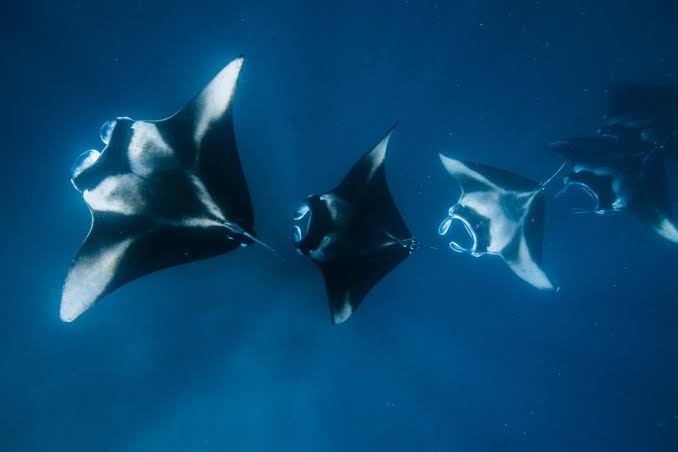
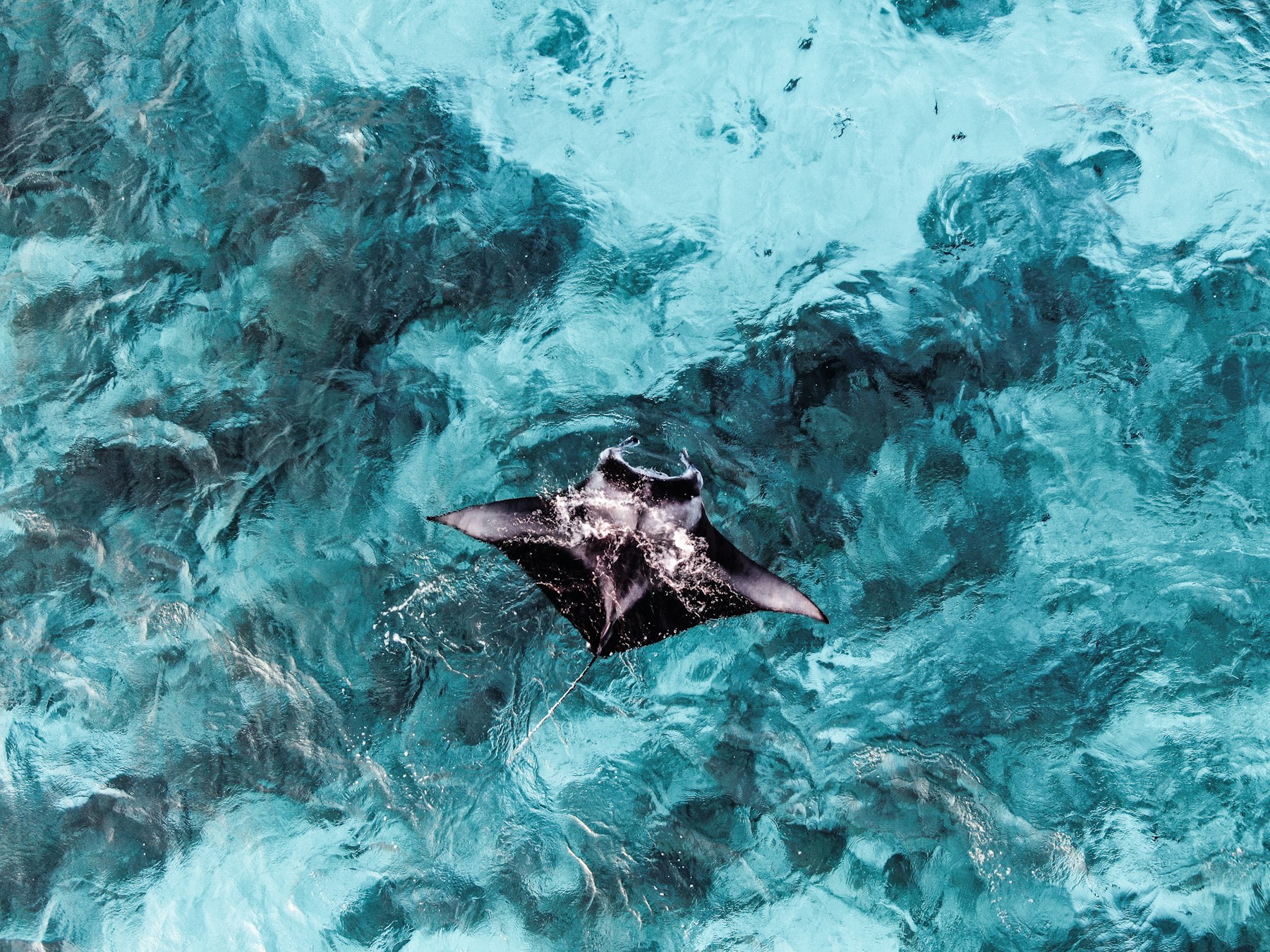
Most people book Baa Atoll for one reason: Hanifaru Bay, where dozens of manta rays can pile into a small reef pocket to feed when the tide pushes plankton in. Fair enough. But the bay is protected, visits are timed and limited, and the feeding events follow the moon and the current, not your calendar. So the real question for anyone planning a week here is what fills the other hours. The good news is that the list of things to do in Baa Atoll is longer than most people expect.
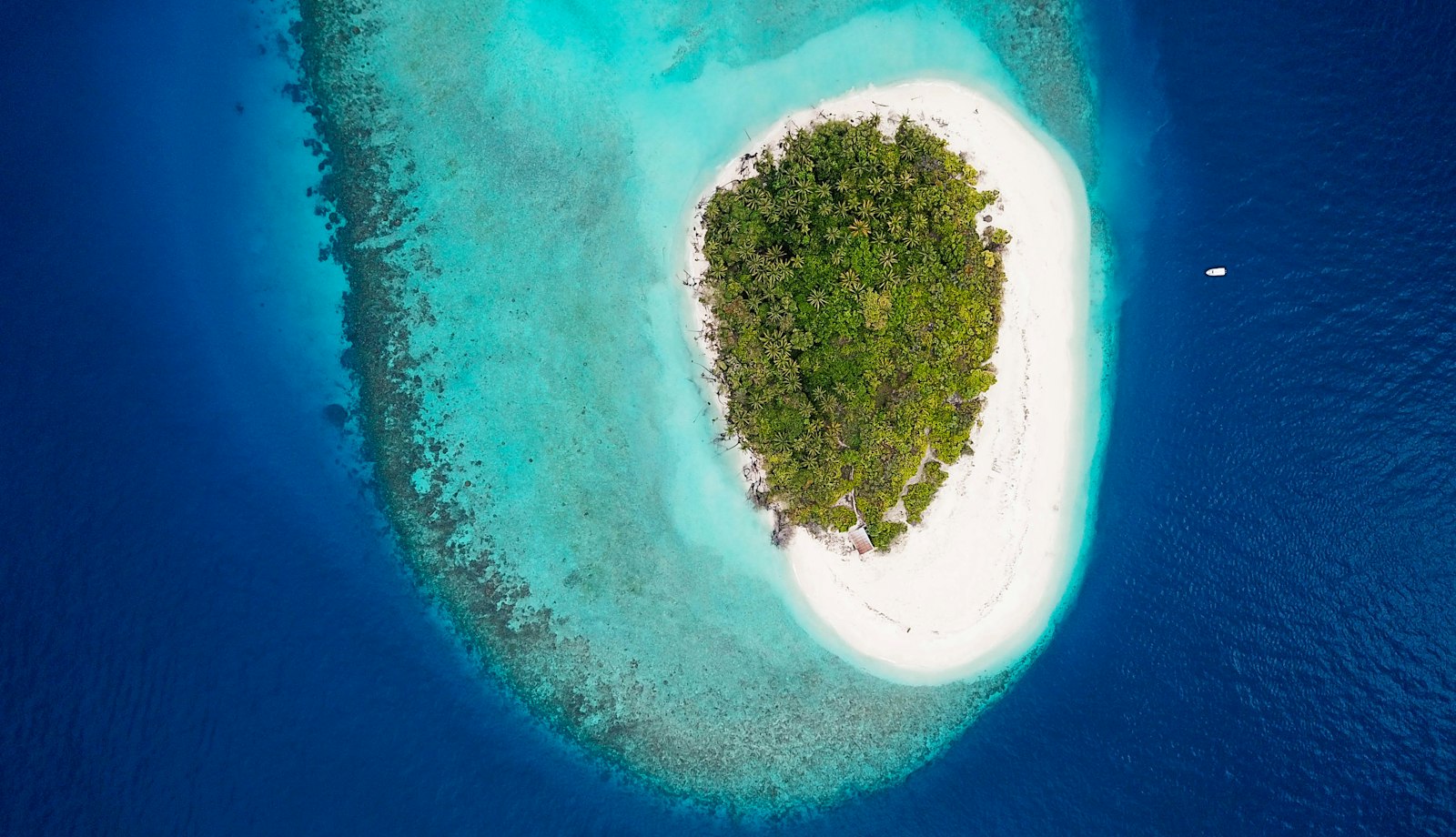
Baa has been a UNESCO Biosphere Reserve since 2011. That status is why Hanifaru is snorkel only and why the reefs around it still look healthy. It also means the rest of the atoll is worth your time, not just the famous bay.
Snorkel the thilas and house reefs
Baa is full of thilas, the underwater pinnacles that rise from the atoll floor to a few metres below the surface. On a calm morning you float over the top of one and watch the whole food chain at work: fusiliers streaming off the edge, Napoleon wrasse cruising the drop, blacktip reef sharks patrolling the shallows. In August the water sits around 28 to 29°C, so a rashguard is plenty.
Reef days are also where you pick up the species people forget to put on their wish list. Hawksbill and green turtles are common, spotted eagle rays glide along the sand channels, and octopus hide in the coral heads if you slow down long enough to look. Of all the things to do in Baa Atoll, a slow reef snorkel with a guide who knows the sites is the one guests mention most after the mantas.
Manta cleaning stations outside the bay. Hanifaru gets the headlines, but mantas use other spots in Baa too. Cleaning stations are coral heads where cleaner wrasse pick parasites off the rays, and the mantas hover over them for minutes at a time. When the tide is wrong for a Hanifaru feeding event, boats often check these sites instead. The encounter is calmer: one or two rays circling slowly while you float still at the surface, rather than a feeding chain spiralling through the water column.
Whale sharks and the open blue
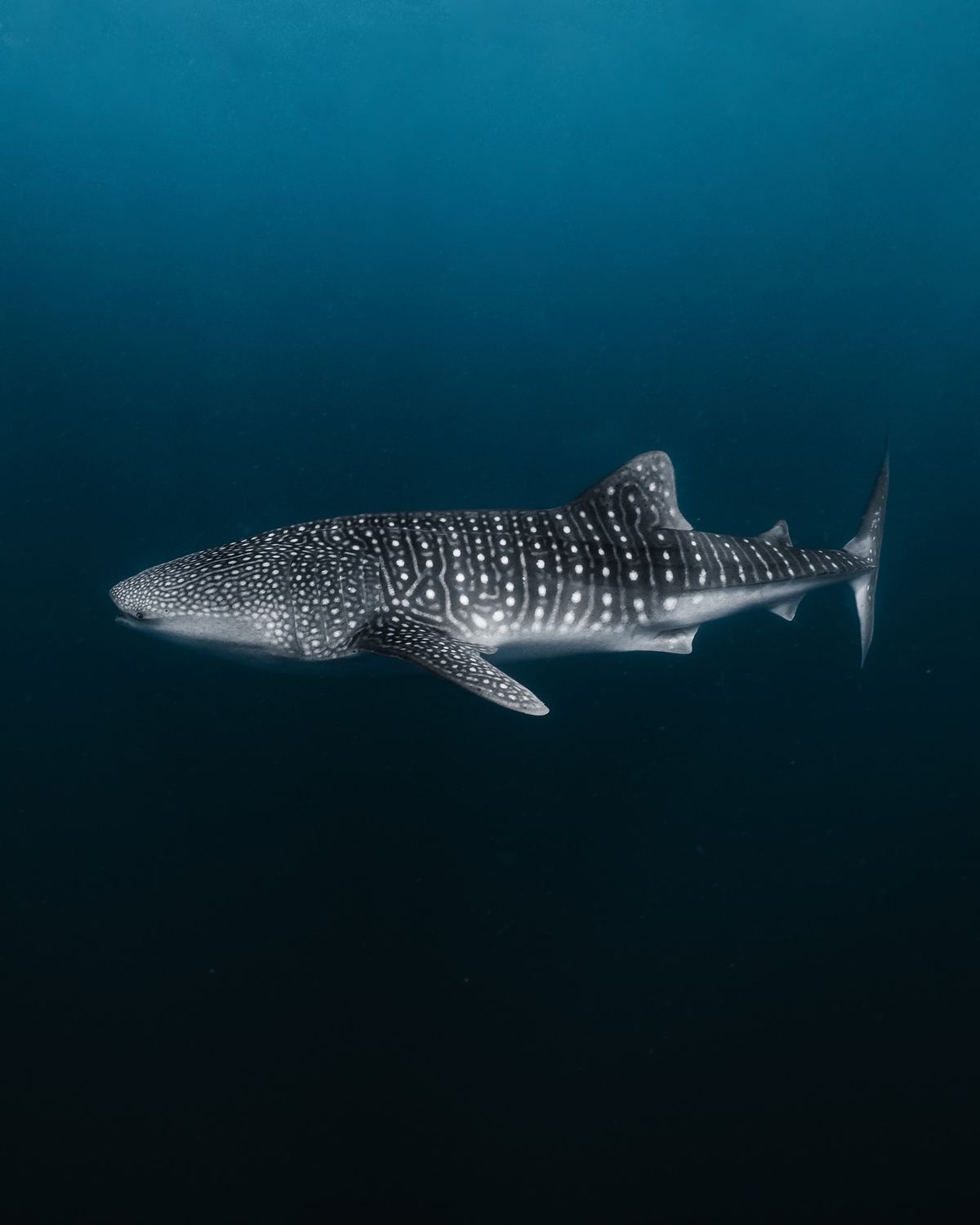
Whale sharks turn up in Baa during the southwest monsoon, sometimes inside Hanifaru and sometimes along the outer reef edge. Nobody can promise one, but boats keep an eye out on every trip between sites. If the crew spots a dark shape near the surface, you go in quietly, keep three metres away and swim alongside, not in front. If you want to compare Baa with the more famous whale shark strip in the south, read our guide to Baa Atoll vs Ari Atoll.
Sunset with spinner dolphins
Late afternoon is dolphin time. Spinner dolphins work the channels between islands and often ride the bow wave of a slow boat. You do not get in the water for this one. You sit on the bow with the sun dropping, count the spins and try to get one photo that is not just a splash. It is the easiest of all the things to do in Baa Atoll and still one of the most fun.
A day on a sandbank
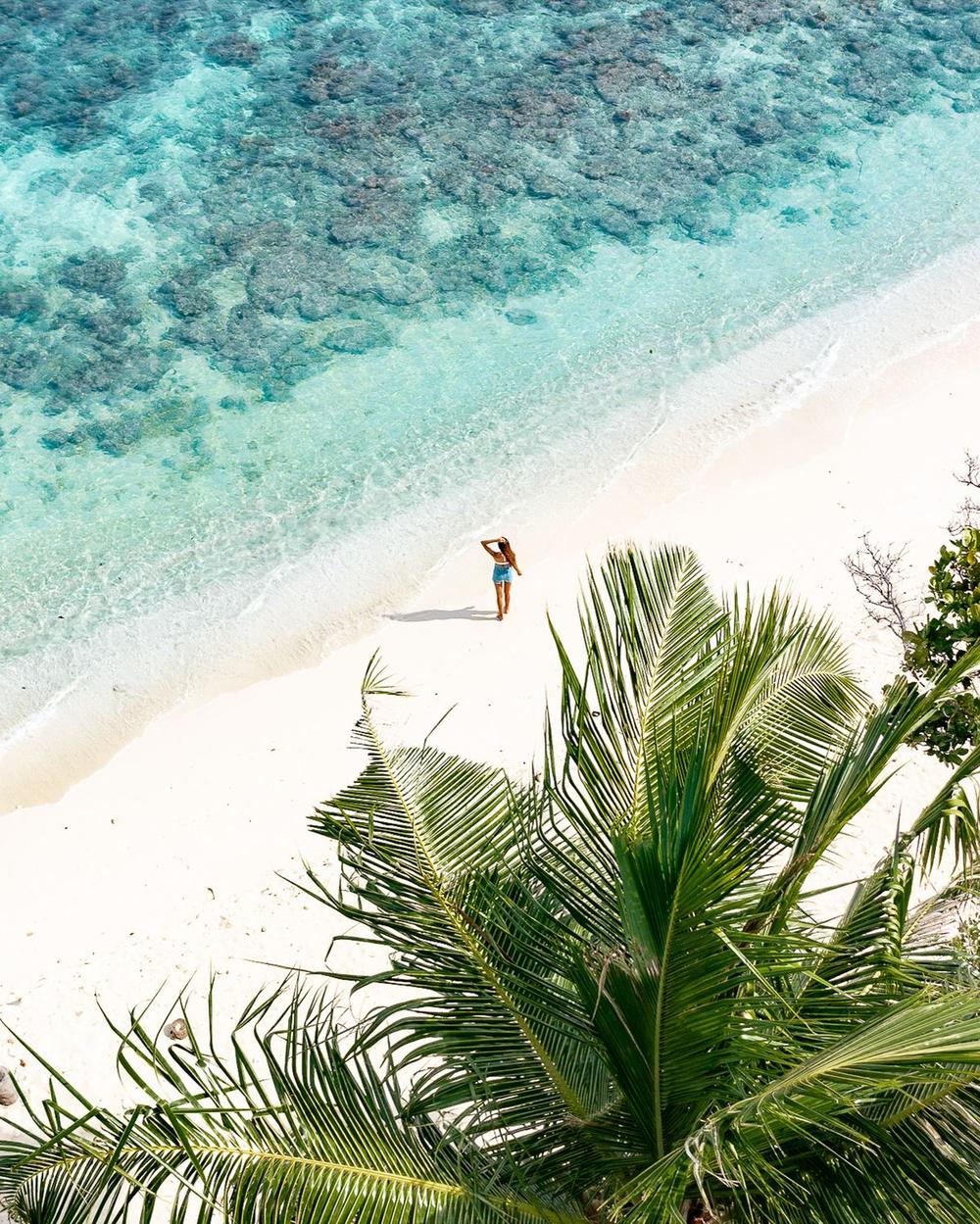
Baa has several sandbanks that appear and shift with the tides: a strip of white sand in the middle of the lagoon with nothing on it. Bring shade, water and a snorkel, because the reef edge is usually a short swim away. A barbecue lunch on a picnic island or sandbank is a good reset after the early starts that manta days demand.
Local island life on Dharavandhoo
Most budget and small-group trips to Hanifaru stay on Dharavandhoo, the local island with the domestic airport. This is not a resort, and that is part of the appeal. You eat in small cafes, walk sandy streets to the harbour and see how people in the atoll live. Try mas huni (tuna, coconut, onion and chilli) at breakfast and hedhikaa, the fried and baked short eats, with sweet black tea in the afternoon.
A few local rules matter. Cover shoulders and knees when you walk through the village, swim in a bikini only on the designated tourist beach, and do not expect alcohol: local islands are dry. Friday midday is prayer time, so shops close for a while. None of this gets in the way. Our earlier piece on staying on a local island covers it in more detail.
Freediving practice and lazy mornings
Not every hour needs a plan. A free morning is the right time to practise duck dives in the shallows, so the next time a manta passes three metres below you, you can drop down and meet it at eye level. Then there is the pool, the hammock and a long lunch. Mixing busy days with slow ones is what keeps a week of things to do in Baa Atoll from turning into a checklist.
See it with us
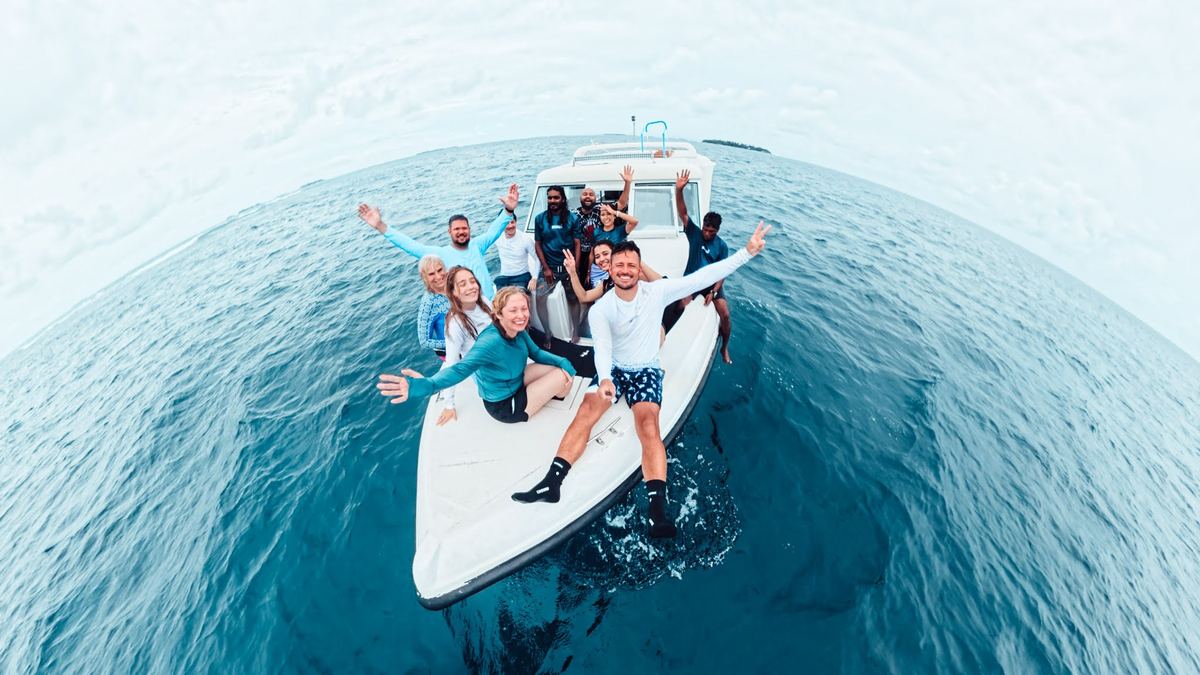
Our Giants of The Maldives expedition is seven days in Baa Atoll, timed around the full moon for the best shot at Hanifaru feeding events. Between manta days you get a full reef day with a barbecue on a picnic island, a sunset dolphin cruise, a sandbank afternoon and time to rest at a beachfront stay with all meals included. Departures are 17 to 23 August and 25 to 31 August 2027. Have a look and apply if it fits. Applying is free.