WhatsApp

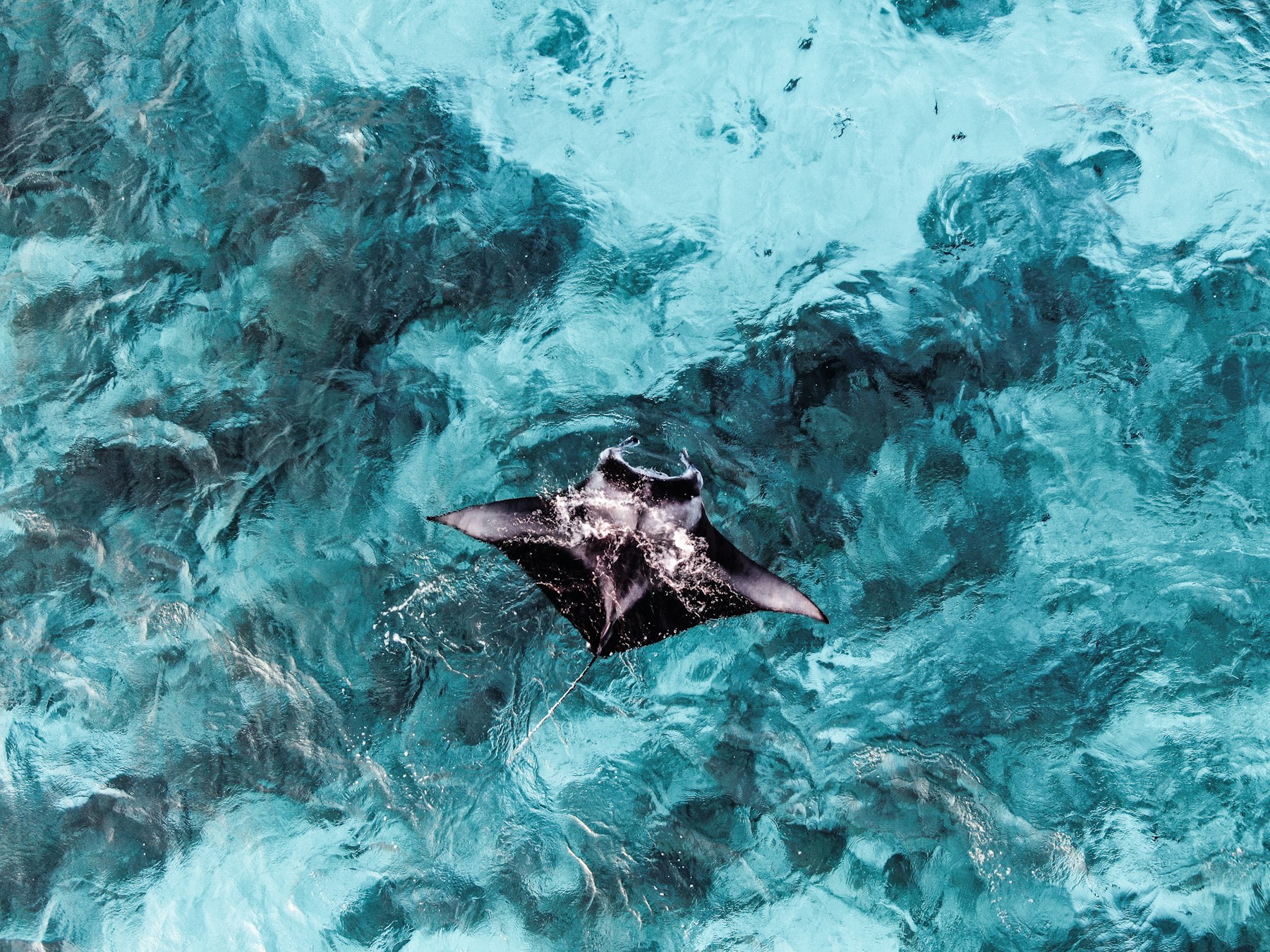
Hanifaru Bay is a small, shallow bay in Baa Atoll, and on the right day it holds more manta rays and whale sharks than anywhere else in the Maldives. It is also one of the most regulated bits of ocean in the country. If you are planning a trip, it helps to know the Hanifaru Bay rules before you arrive, because they decide how long you stay in the water, who you swim with and how close you get to the animals. Here is the practical version.
The bay was declared a marine protected area in 2009 and joined UNESCO's network of biosphere reserves in 2011 as a core zone of the Baa Atoll Biosphere Reserve. When plankton builds up in the bay, mantas gather to feed, sometimes in very large numbers, and whale sharks often join them. That concentration is exactly why access is controlled.
Scuba diving is banned in Hanifaru Bay. You get in the water with a mask, snorkel and fins, nothing else. Bubbles and heavy gear would disturb feeding animals, and the shallow bay is ideal for snorkelers anyway. You do not need to be an expert, but you do need to be comfortable in open water, because the bay can fill with boats, currents and animals at once.
You cannot just jump in. Entry requires a token, which one reference lists at USD 30. It is sold at the Hanifaru visitor centre on Dharavandhoo, or through a resort or tour operator. Each token covers 45 minutes in the water, and the money goes to conservation of the bay and the wider atoll.
Fees and details change, so check with your operator before you go. The point is that the time is short and the rotation is strict, which keeps the bay from turning into a crowd.
Snorkelers must be accompanied by a guide approved by the Baa Atoll Conservation Fund. The guide watches the rotation, places the group and calls it when an animal needs space. Listen to them. When a manta heads your way at speed, the person with experience will tell you whether to hold still or kick away.
Liveaboards cannot anchor directly in the bay. Visitors usually arrive by taxi boat from Dharavandhoo island, or are dropped just outside and swim in.
The rules on distance are specific, and rangers do enforce them:
In practice you will mostly float still and let the mantas come to you. The best photos come from patience, not from kicking after them. If you want help with camera settings, see our guide to how to snorkel with manta rays.
Peak season is late July to early October, although feeding events can happen from March to December. They are not daily. The plankton tends to pile up when currents are strong, so the days around the full and new moon give you the best odds. Even then, nothing is guaranteed. Some days the bay is quiet, and some days it is chaos. We wrote more on this in Hanifaru Bay full moon vs new moon.
For flights and transfers, read how to get to Baa Atoll.
Our Giants of the Maldives expedition is built around exactly this: a beachfront base in Baa Atoll, daily ocean trips including Hanifaru Bay, and a start on the full moon so you hit the bay when the tides push the plankton in. The next departure is 17 to 23 August 2027, with a small group and local guides who know the rules. Applying is free.