WhatsApp

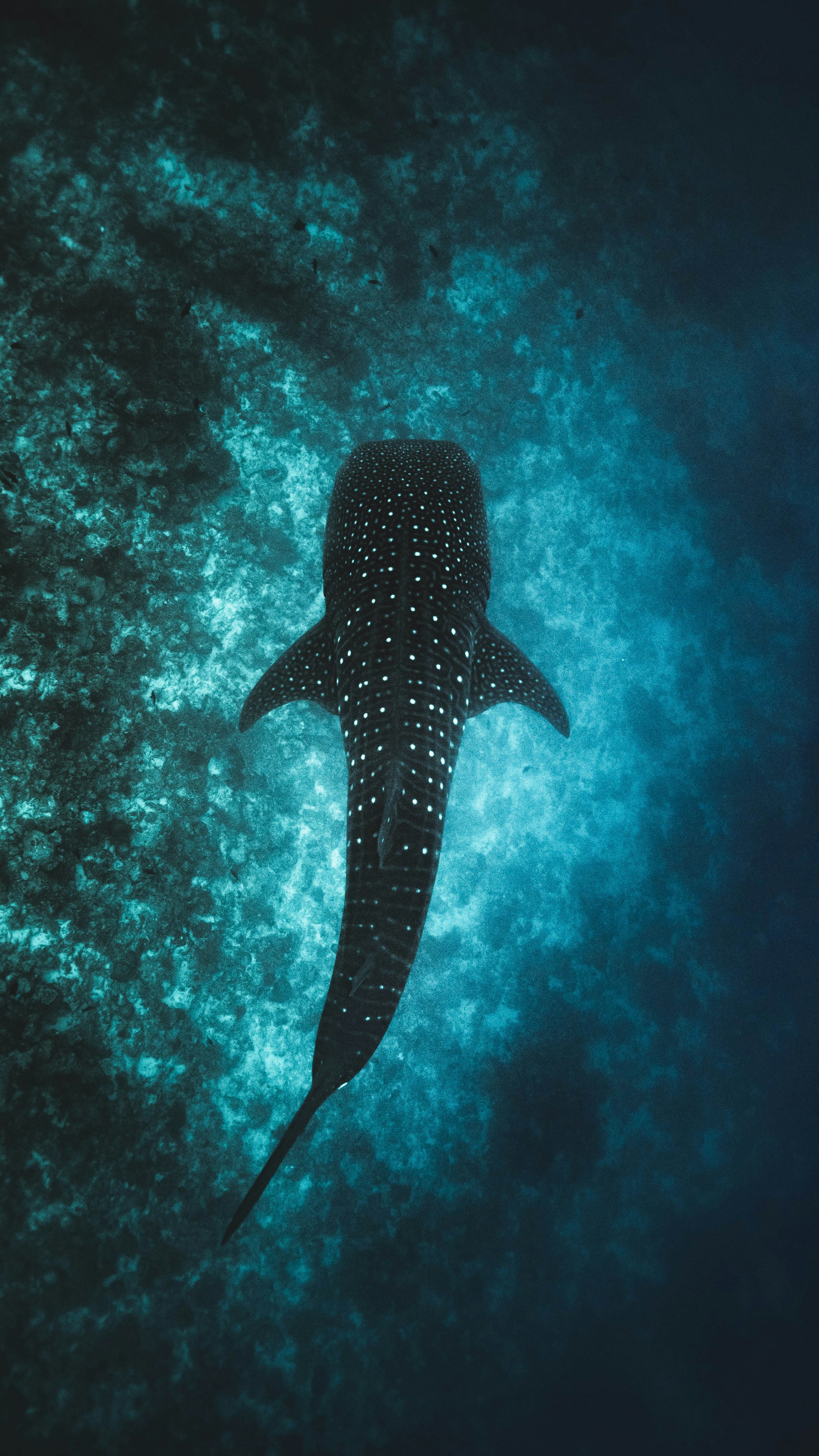
If you search for whale shark snorkeling in the Maldives, one name comes up again and again: South Ari Atoll. It has a reputation as the one place in the country where you can look for whale sharks any month of the year. That reputation is mostly earned, but the details matter. Here is how a South Ari Atoll whale shark day works, what to expect from the animals, and how it compares with the Baa Atoll approach.
Whale sharks pass through many parts of the Maldives, but South Ari is different because a group of them stays close to the southern edge of the atoll for most of the year. Many are young males, and guides along the reef edge near Maamigili and Dhigurah get to know individual animals by their spot patterns. The sharks feed on plankton in the current along the outer reef, which is why the sightings repeat.
The area is also a marine protected zone, which shapes how the boats behave. Guides are trained to put snorkelers in the water in small groups and to keep the animals undisturbed, and you will hear the rules at the briefing before you leave the dock.
Most operators leave in the morning, when the water is calm and the light is good. The boat runs along the outer reef while the crew and guides scan the surface for a dark shape or a fin. When someone spots a shark, the boat positions ahead of its path, and a small group slips in at the guide's signal. You swim parallel to the animal, not at it, and the guide signals when to leave the water so the next group can have a turn.
Encounters can be short or long. Some sharks cruise past in a minute. Others feed near the surface for half an hour, and you can keep pace beside them with a few easy kicks. Plan for two to four hours of boat time, with several attempts if the first one is quiet. Water sits around 28 to 30 degrees Celsius, so a thin rash guard is plenty.
Responsible operators keep a few simple rules. Stay about three to four metres away from the animal, never touch or grab it, do not block its path, and leave the camera flash at home. Do not use scooters or propulsion aids. Keep your group tight so the shark has room. If a boat tells you that touching is fine, pick a different boat. Our post on whether swimming with whale sharks is ethical explains why these rules exist and how to spot a good operator.
No. Whale sharks feed near the surface, and snorkeling is the standard way to see them in the Maldives. Divers can find them too, but in the protected zone the snorkel is usually the better tool. If you are comparing the two for your wider trip, snorkeling vs diving in the Maldives goes through the trade-offs. If you are newer to open water swimming, read how to snorkel with manta rays, because the same habits apply.
This is the choice most people face. South Ari gives you steady whale shark odds and a lot of boats on the water, because it is easier to reach and has many resorts and guesthouses. Baa Atoll is further north, quieter and a UNESCO Biosphere Reserve, with Hanifaru Bay as the main draw. When the tides and moon line up, dozens of manta rays and sometimes whale sharks gather there to feed. Whale sharks in Baa show up on many days but are less predictable than in South Ari, while the manta gatherings are the bigger headline.
If your top priority is a whale shark on any given week of the year, South Ari is a safe bet. If you want to see mantas feeding in numbers plus whale sharks as a bonus, with a calmer island feel, Baa is hard to beat. Our guide on Baa Atoll vs Ari Atoll lays out the full comparison.
Because the South Ari sharks are around all year, you can pick your dates by weather instead. The drier northeast monsoon runs roughly from December to April, with calmer seas, while the southwest monsoon from May to November brings more wind and rain but also richer plankton and busier wildlife in some places. See the best time to visit the Maldives for the month-by-month picture. Bring reef-safe sunscreen, a long-sleeve rash guard, your own mask if you have one that fits well, and a waterproof camera with a wrist strap.
Our Giants of the Maldives expedition is built around Baa Atoll and Hanifaru Bay. It runs six nights on a beachfront island with all meals, a domestic flight from Malé, daily ocean trips and snorkel gear, with a small group. The first departure starts on 17 August 2027. You can read the full plan on the Giants of the Maldives expedition page.