Freediving With Mantas and Whale Sharks in the Maldives: A Beginner's Guide


Snorkelling with mantas from the surface is incredible. But the first time you see someone take a calm breath, duck under and glide along beside a manta at five metres, you want to do it too. The good news is that you do not need a course or deep training to start. Freediving in the Maldives, in 28°C water with 20 metres of visibility, is about the friendliest place in the world to learn. Here is what beginners need to know.
What freediving means here
For most people on a manta or whale shark trip, freediving simply means holding your breath and diving down a few metres for 20 to 40 seconds. Nobody is chasing depth records. The goal is to get below the surface chop, level with the animal, and watch it in the quiet. With a little practice, almost every confident snorkeller can do that by the end of a week.
Breath-hold basics
- Relax first. Float face down, breathe slowly through your snorkel for a minute or two, with longer exhales than inhales.
- Never hyperventilate. Fast, deep breathing before a dive feels like it helps, but it raises the risk of blacking out. Calm, normal breaths only.
- One big breath, then duck dive. Bend at the hips, lift your legs straight up, and let their weight push you under before you start kicking.
- Equalise early and often. Pinch your nose and gently blow, starting right at the surface and every metre after. If your ears hurt, stop and come up.
- Come up looking up. Watch the surface as you rise, and take a few recovery breaths at the top before anything else.
Safety: the buddy rule
The one rule that matters most: never freedive alone. One person dives, the other watches from the surface until the diver is back up and breathing normally for 30 seconds. This is how freedivers everywhere stay safe, and it applies even in shallow water. Shallow water blackout can happen to fit, experienced swimmers, and a buddy watching is what turns a scare into a non-event.
Wear a little weight only if a guide sets you up with it, and make sure you float at the surface. In the Maldives, a 3 mm suit or even a shorty is usually enough, and it keeps you buoyant without extra weight.
Freediving with mantas
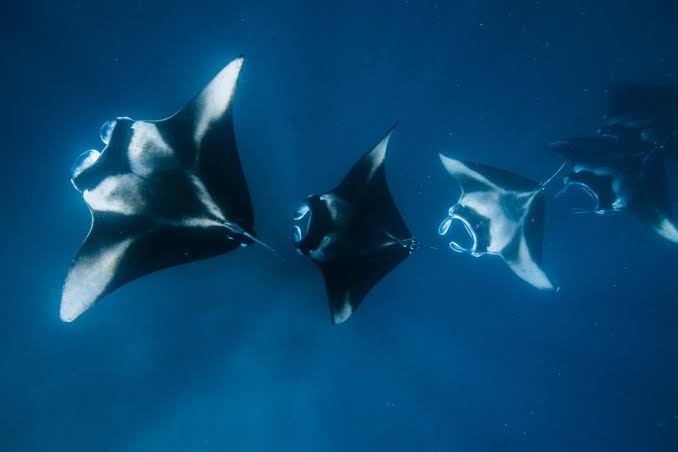
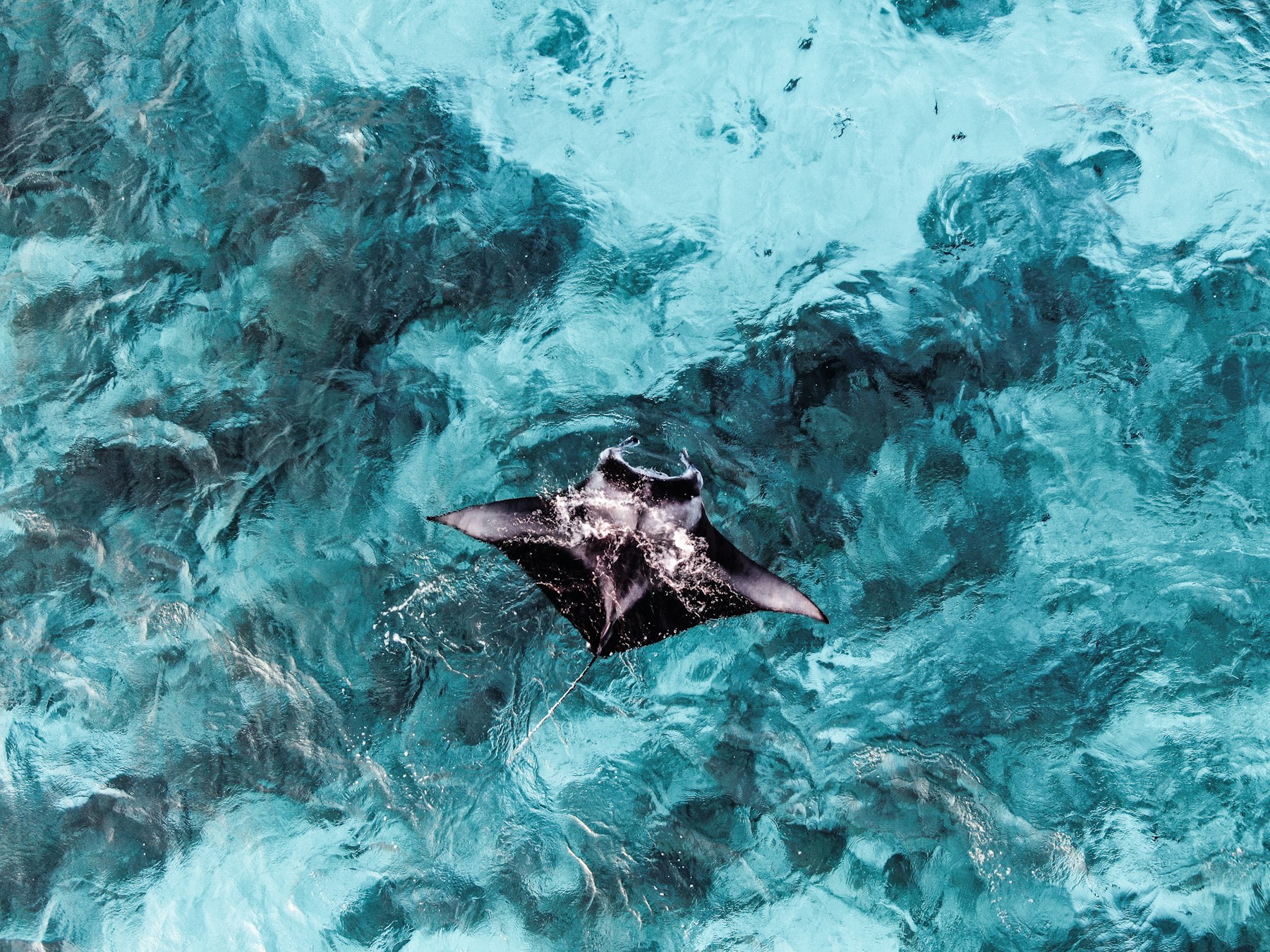
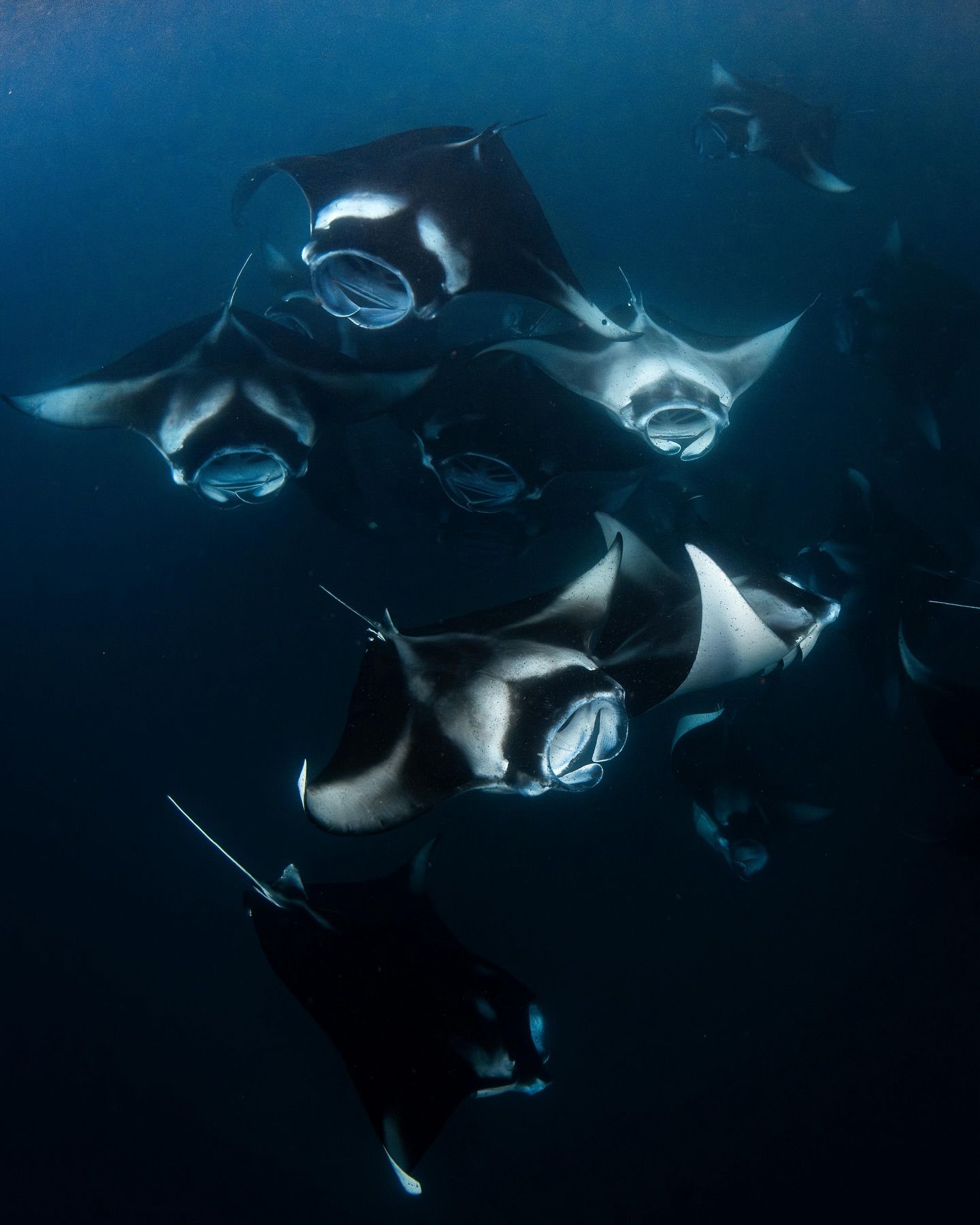
Reef mantas in Baa Atoll feed with their mouths open, often looping through plankton near the surface or cruising past cleaning stations. The best approach is slow and from the side, never from above or head on. Dive down a few metres ahead of where the manta is heading, then hold still and let it come to you. Often it will turn and pass within a couple of metres.
A note on Hanifaru Bay: Hanifaru is a protected area and is snorkel only. Rangers ask everyone to stay at the surface, keep their distance and limit time in the water. Save your duck dives for other manta sites in Baa, where they are welcome. Our guide to Hanifaru Bay rules explains how it works.
Freediving with whale sharks
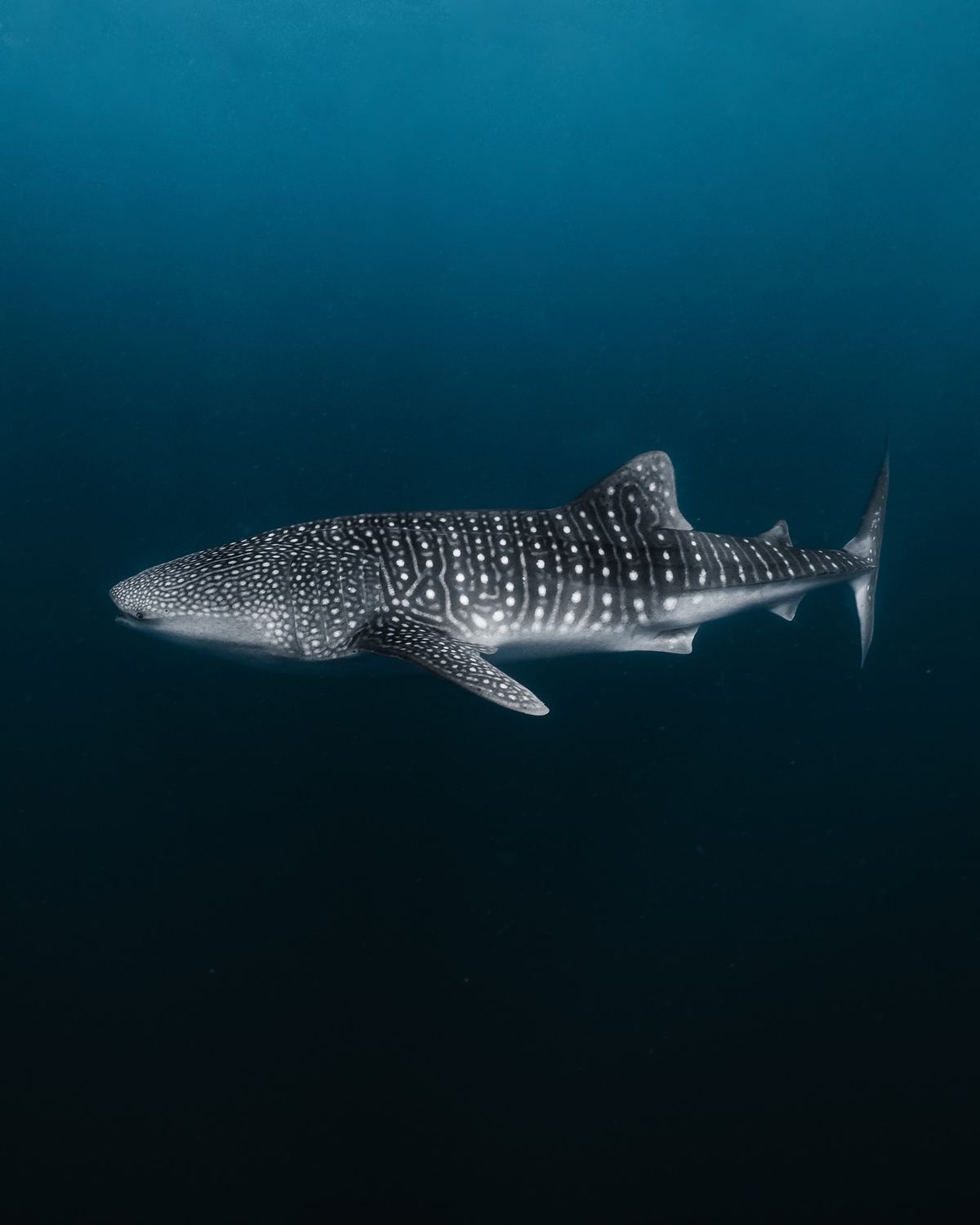
Whale sharks move slowly but steadily, and you will be surprised how hard it is to keep up. Freediving down to their level gives you a view of their whole body, the spots, the remoras and the gill slits, rather than just the top of their back.
- Keep at least 3 metres from the body and 4 metres from the tail.
- Do not dive directly in front of its head or block its path.
- No touching, no flash photography, and no more than a few swimmers next to it at once.
What to practise before you go
You can build the skills at home in a pool. Practise duck dives to the bottom of the deep end, equalising on the way down, and swimming calmly along the bottom for 15 seconds before coming up. Do static breath-holds lying in a bed only, never in water on your own. Bring a low-volume mask, which is easier to equalise, and long or mid-length fins if you own them. Our beginner's guide to snorkelling with manta rays covers the surface skills that come first.
Freedive with the giants with us
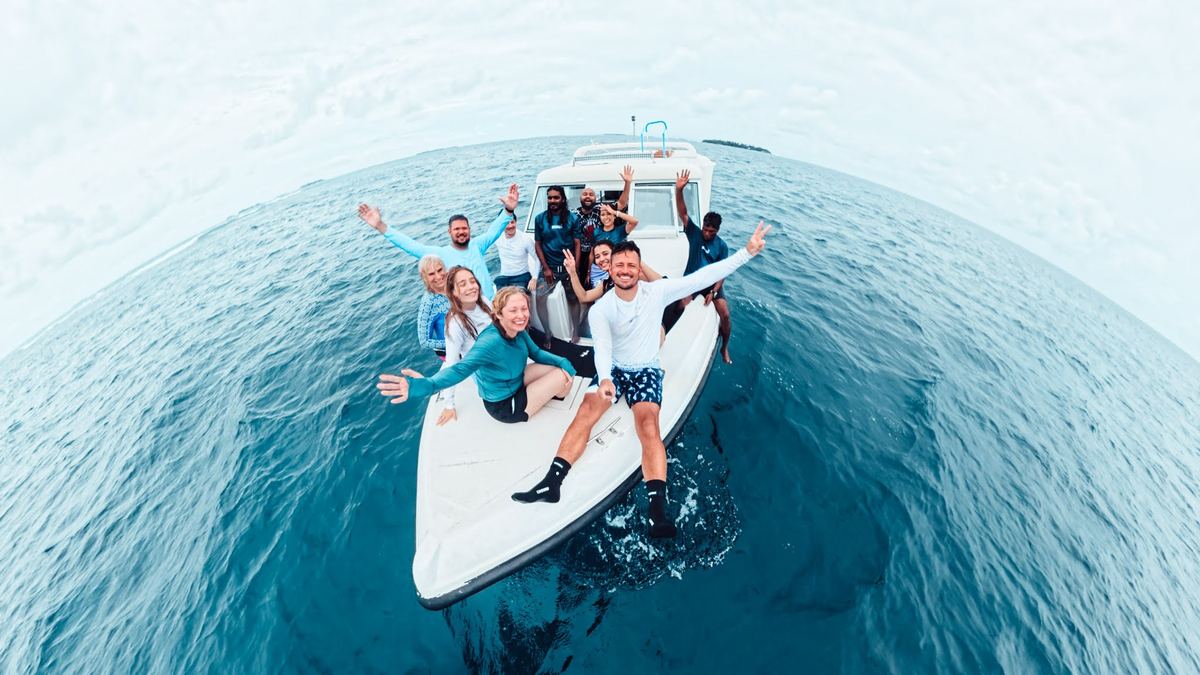
On our week in Baa Atoll, we build it in gently. Surface time with mantas first, then a free morning of freediving practice by the beach, with a guide coaching duck dives, equalising and recovery. By the last manta day, most people are diving down to meet the mantas on their own terms.
Our Giants of The Maldives expedition runs 17 to 23 August 2027 in Baa Atoll, timed to the full moon, with daily ocean trips including Hanifaru Bay, mantas, whale sharks, reef sharks and dolphins. Snorkel gear and a Maui rashguard are included. Freediving in the Maldives is easier than you think, and applying is free.