
WhatsApp

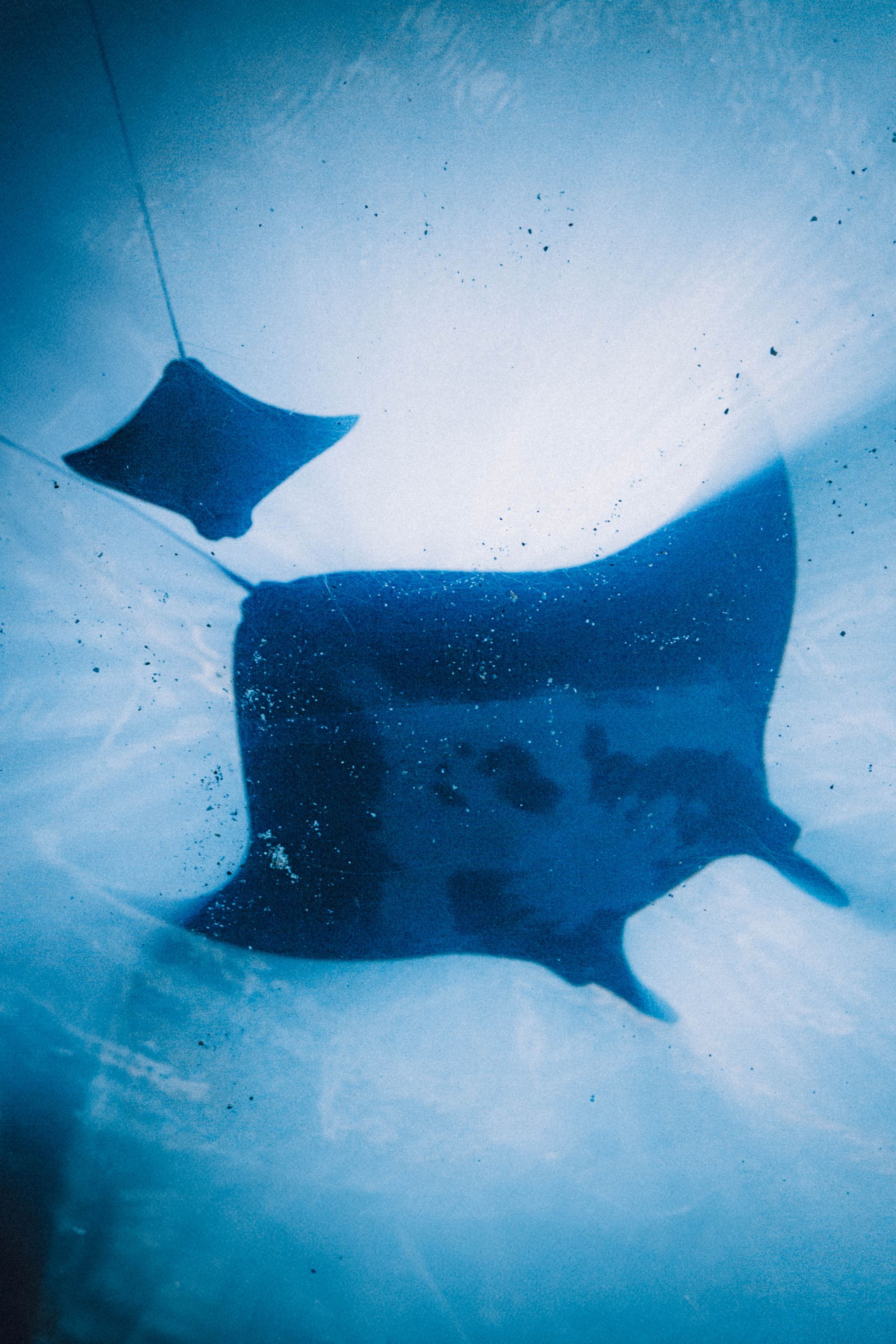
Type Maldives in August into any travel forum and you will get two very different answers. The resort crowd says avoid it, it is monsoon season. The manta crowd says it is the only month that matters. Both are describing the same weather. The difference is what you came for. If your reason for flying to the Maldives is to float above fifty manta rays in Hanifaru Bay, August is not a compromise. It is the point.
From May to October the Maldives sits in the southwest monsoon, which locals call Hulhangu. Air temperature stays at 28 to 31 degrees, water at 28 to 29, so nobody is cold. What changes is the wind and the sky. Expect a stiff southwesterly breeze most days, a few hours of rain two or three days a week, and cloud that comes and goes. Rain in August is usually a hard, warm burst and then it clears. Whole washed-out days happen, but they are the exception. The ocean is bumpier than in February, which matters more for the boat ride than for the snorkeling, and visibility on the reefs drops from 30 metres to something like 15 to 20 because of the plankton in the water.
That plankton is the entire story. The monsoon wind pushes nutrient-rich water from the southwest across the atolls, and in Baa Atoll it funnels into a cul-de-sac reef called Hanifaru Bay. Lower visibility is literally the food the mantas have come for.
Hanifaru Bay sees mantas from roughly June to November, but the biggest aggregations happen from late July through September, and August is the heart of it. When a strong tide coincides with a plankton bloom, dozens of reef mantas, occasionally well over a hundred, pile into the bay and feed in chains and cyclones, barrel-rolling through the thickest soup. Whale sharks turn up to feed on the same bloom, often cruising the outer edge while the mantas work the middle.
The timing is driven by the moon. The strongest tides fall around the full and new moon, which is why serious trips plan their Hanifaru days in the few days after a full moon or leading into a new moon rather than picking random dates. Our 2027 weeks are built around exactly that: one arriving on the full moon of 17 August and one ending on the new moon of 31 August.
Hanifaru is a protected area inside the Baa Atoll UNESCO Biosphere Reserve, so it runs on rules. Snorkeling only, no scuba, a limited number of boats and people in the bay at once, and 45 minute slots managed by rangers. You go in from the boat, swim to the feeding area, and float. Mantas pass underneath you at a metre or two, mouths open, sometimes close enough that you feel the push of water off a wing. No chasing, no diving down into the chain, no touching. The animals are focused on eating and will work around a calm snorkeler all session long.
Because the bay only fires when plankton and tide line up, you do not get a guaranteed show every day. The good operators check the conditions every morning and keep the week flexible. Some days the mantas are at nearby cleaning stations instead, which is a quieter encounter but often a longer one.
Fewer people, for a start. Baa Atoll in August is noticeably emptier than in the dry season, and flights and rooms cost less. The reefs around Dharavandhoo still deliver turtles, eagle rays and reef sharks, the dolphin pods are around most afternoons, and sunsets after a rain burst are some of the best of the year. You are also in the country at the one time the big animals are predictable, which is worth more than clear skies if wildlife is your reason for going.
If you want glassy water for a drone shot or guaranteed sun by the pool, August is not your month. Boat rides can be choppy, and anyone prone to seasickness should bring tablets. Rain can shift plans by a few hours. Underwater visibility is good enough for mantas, which are three to four metres across, but not the crystal blue of the dry season. And you need to be comfortable in open water, because Hanifaru is a swim, not a wade.
Base yourself in Baa Atoll, not Male. Day trips from the capital are too far for the tide windows. Give yourself at least five days so two or three can be Hanifaru days with margin for weather. Pack a rash guard, reef-safe sunscreen, a dry bag and a light rain shell. And go with people who read the moon and the forecast, because a week in the Maldives in August with the timing right and the timing wrong are two completely different trips.
If you want the version where the timing is already done for you, our Giants of The Maldives expedition runs two August weeks in Baa Atoll, moon-timed for Hanifaru, with daily ocean trips and a small group of twelve. Bring the rain jacket. You will mostly forget to use it.