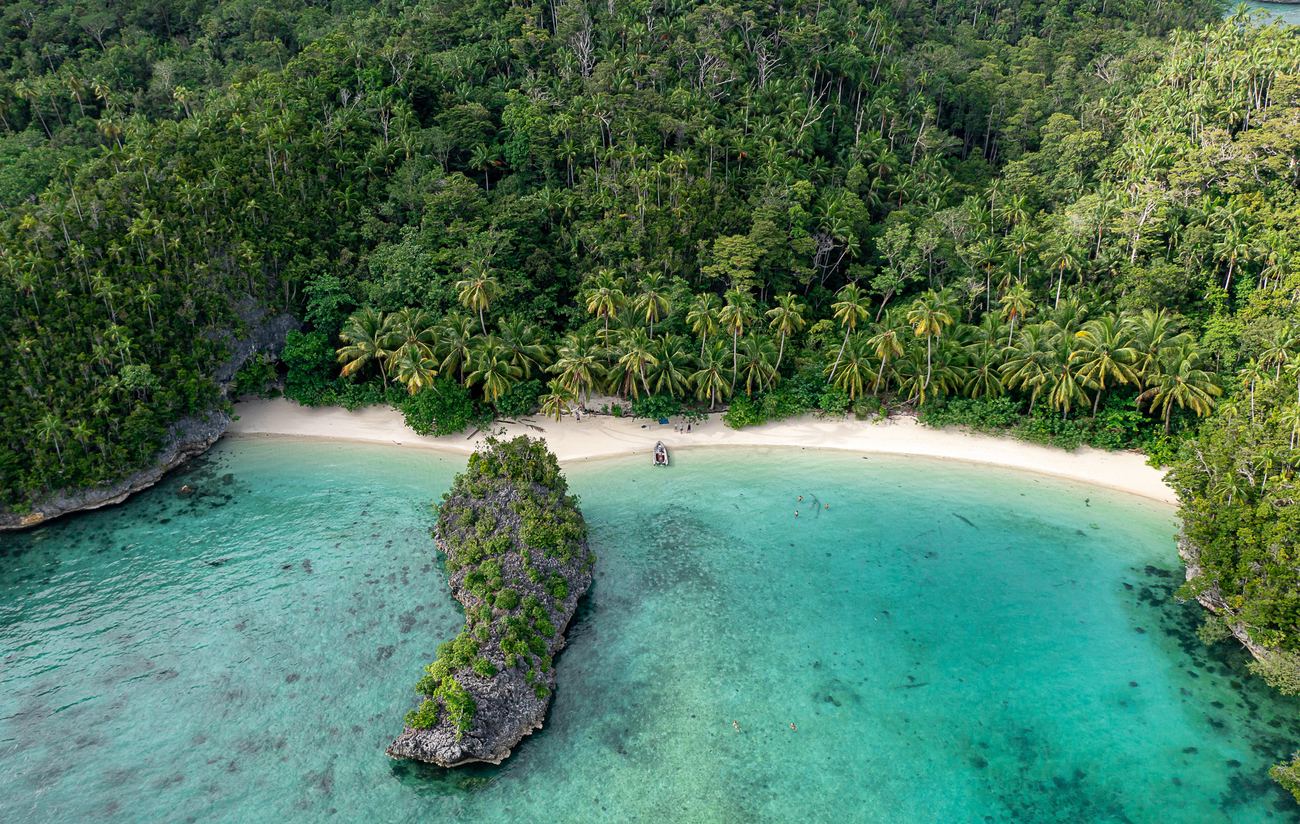
Raja Ampat Manta Rays: Manta Sandy, Blue Magic and When to See Them

Raja Ampat is famous for fish soup reefs, pygmy seahorses and the karst islands of Wayag. Fewer people realise it is also one of the best places in Asia to dive with manta rays, and one of the few where you can see both species. If mantas are high on your list, it pays to know where the boats go, what each site is like and which months give you the best odds. Here is a practical guide to Raja Ampat manta rays.
Two species, two kinds of encounter
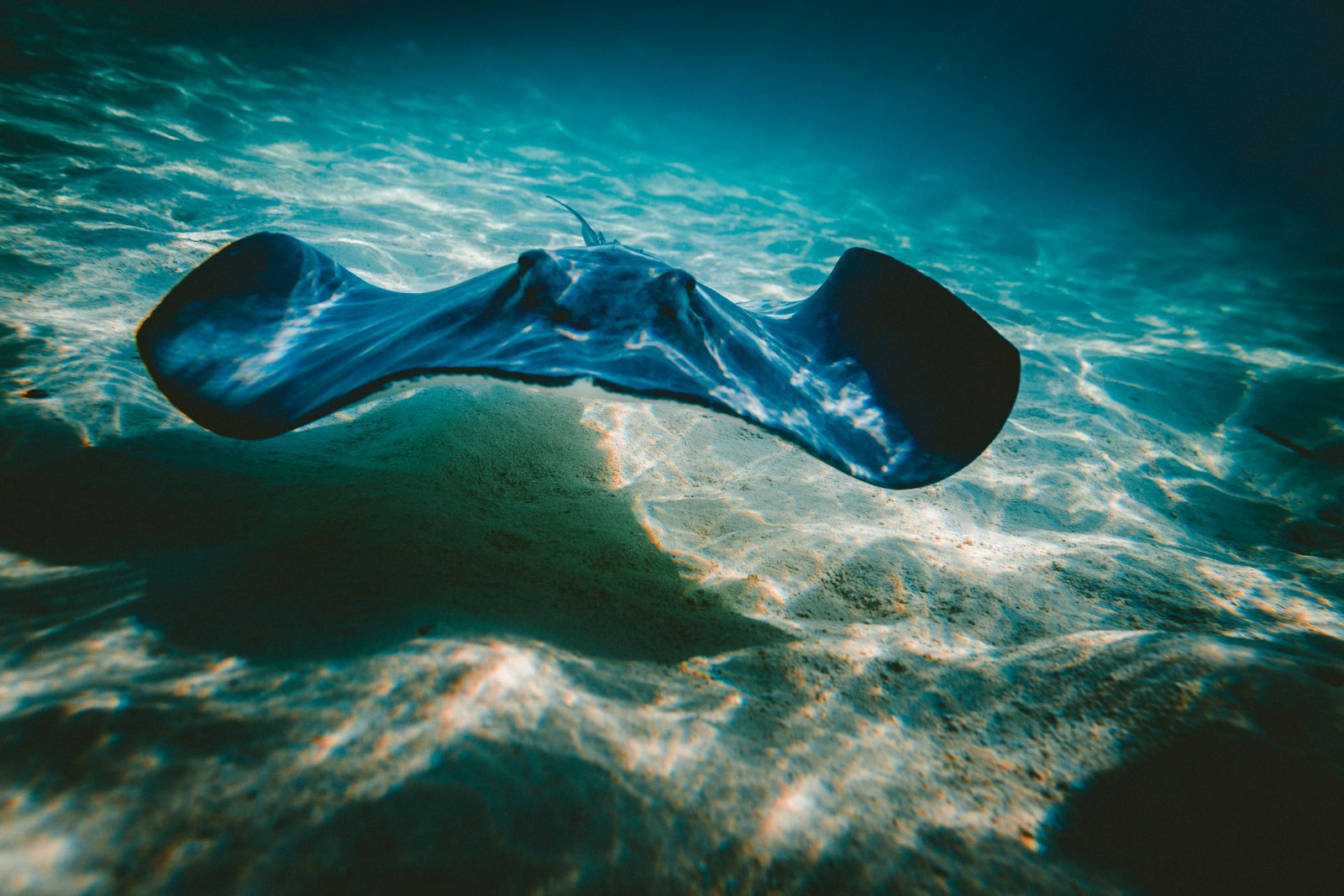
Reef mantas (Mobula alfredi) are the ones you see most. They span three to four metres, stay close to reefs and visit cleaning stations, coral heads where small wrasse pick parasites off their skin. They are resident in the Dampier Strait and come back to the same stations again and again.
Oceanic mantas (Mobula birostris) are bigger, up to six or seven metres across, and spend more time in open water. In Raja Ampat they appear at certain pinnacles and outer sites, usually more shy and less predictable. If you want to tell them apart underwater, our guide on reef manta vs oceanic manta shows the markings to look for.
Raja Ampat banned the fishing of mantas and sharks in 2010, and Indonesia protected both manta species nationwide in 2014. The healthy numbers you see today are partly the result.
Manta Sandy
Manta Sandy sits in the Dampier Strait near Arborek and is the best known manta site in Raja Ampat. It is a shallow sandy area with coral bommies that work as cleaning stations, at around 5 to 18 metres. A line of rocks marks where divers wait. You settle behind it, stay low and let the mantas come to the bommies in front of you. On a good dive you watch several reef mantas queue up, circle and hover for minutes over the station.
It suits newer divers well, because the depth is easy and you stay still. The key is patience: no swimming out over the station, no chasing, and bubbles kept calm.
Manta Ridge and Arborek. Close to Manta Sandy, Manta Ridge is a sloping reef where mantas pass through in the current, often feeding. It is more of a drift than a wait. When mantas feed near the surface around Arborek, snorkelers sometimes get great encounters too, so non-divers in your group are not left out on these days.
Blue Magic
Blue Magic is a submerged pinnacle in the Dampier Strait, between Mansuar and Cape Kri. It is a current-swept site that collects schools of jacks, barracuda and fusiliers, wobbegong sharks on the top and, with luck, oceanic mantas cruising out of the blue. Reef mantas visit too. Currents can be strong, so it is better suited to divers with some experience and a good guide who times the dive with the tide.
Further afield
Raja Ampat manta rays are not limited to the Dampier Strait. In the south, Misool has a well known oceanic manta site called Magic Mountain, and mantas are also reported around the northern islands. Liveaboard routes vary by season and conditions, so ask which sites are planned. For the trade-offs between regions, read Wayag vs Misool vs the Dampier Strait.
When to see mantas in Raja Ampat
Reef mantas are seen year-round in the Dampier Strait. Most dive operators rate roughly October or November to April as the stronger manta season, when plankton is richer and cleaning stations are busy. Oceanic mantas tend to be reported more often in the same window, especially around the turn of the year. Water sits around 28 to 30°C, so a 3 mm wetsuit is enough. For more on conditions in our departure month, see Raja Ampat in November.
Etiquette at a cleaning station
- Stay behind the marked line or at the edge of the station, low and still.
- Never swim over the bommie or block the manta's approach path.
- No touching. Mantas carry a protective mucus layer that hands damage.
- Keep your buoyancy tidy and fins off the coral and rubble.
- Turn off focus lights and do not chase for a photo. The manta comes back if you stay calm.
Do you need to be certified? For Manta Sandy, Open Water is enough. For Blue Magic, Advanced Open Water and a few current dives help a lot. If you are not certified yet, you can do your Open Water course during the trip and still get time with Raja Ampat manta rays from the surface or at shallow sites.
Dive it with us
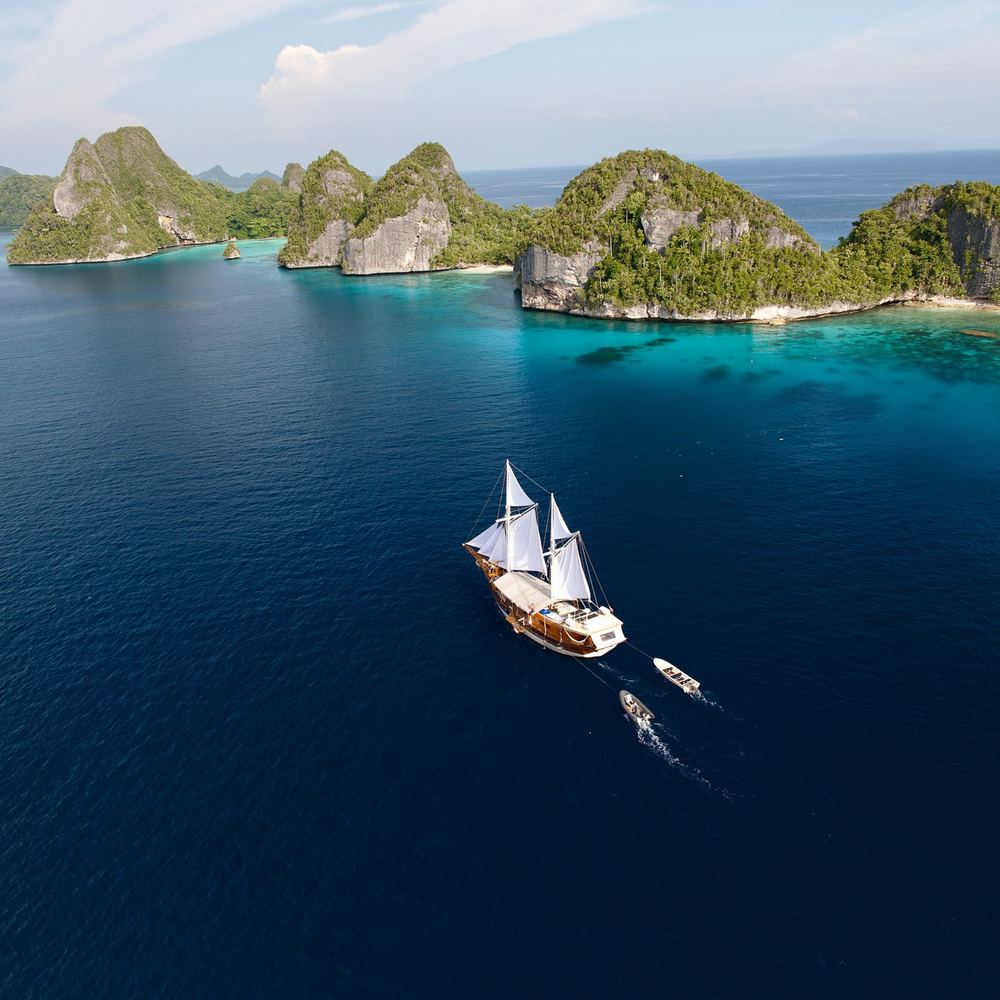
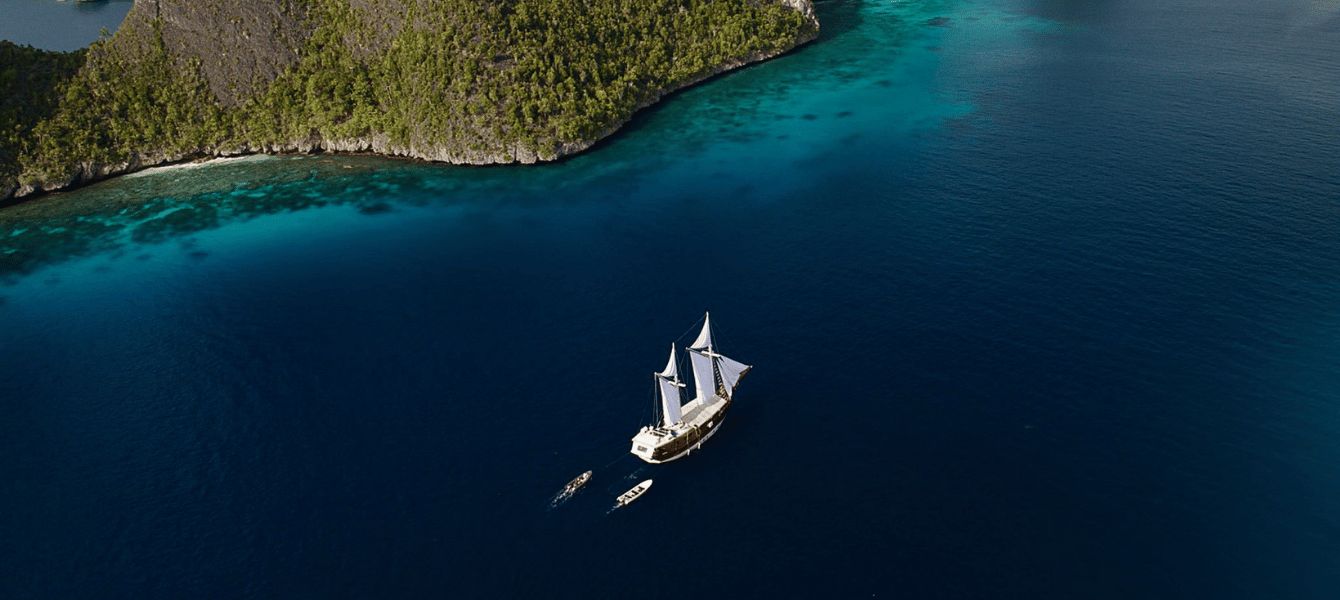
Our Sail & Dive Raja Ampat expedition is ten days on a traditional pinisi liveaboard from Sorong, with more than 33 dives, manta cleaning stations, drift dives, Wayag Lagoon and nights anchored in quiet bays. Dive gear is included, the group is limited to eight guests and we adapt the sites to your experience level. The departure is 20 to 29 November 2027, and the last spots are going. Applying is free.