Do You Need Advanced Open Water for Raja Ampat? Diving Experience Explained

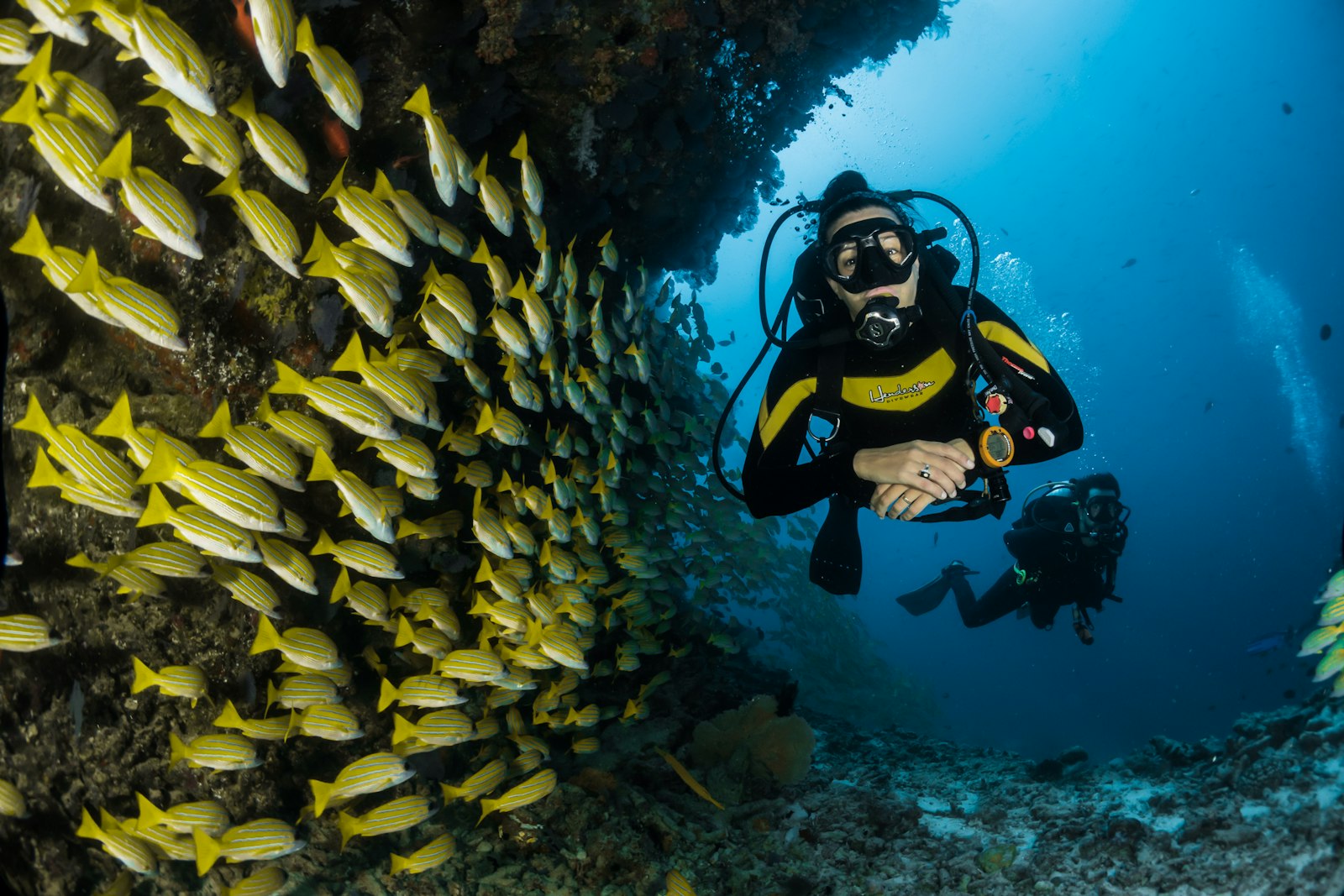
One of the questions we get most from people looking at a Raja Ampat liveaboard is simple: am I experienced enough? Raja Ampat has a reputation for strong currents, and some of the forum threads make it sound like you need 200 dives and a reef hook tattooed on your arm. The real answer is more relaxed. Here is how Raja Ampat diving experience levels actually work, site by site, and what we recommend before you fly to Sorong.
The short answer
An Open Water certification is enough to join a Raja Ampat trip and enjoy most of the diving. Advanced Open Water, plus around 30 logged dives, opens up the current-swept sites that make Raja Ampat famous. If you are not certified at all, you can still come and do your Open Water course on board.
What matters more than the card in your wallet is how comfortable you are with three things: buoyancy, descending without a reference line, and staying calm when the water starts moving.
Why Raja Ampat has currents
Raja Ampat sits where the Pacific and Indian Oceans push water through narrow channels between hundreds of islands. That flow carries the nutrients that feed the fish soup reefs, the mantas and the schools of barracuda and fusiliers. Currents peak around new and full moon and on tide changes, and they can switch direction within a single dive.
The upside is that dive guides here plan around it. They time dives for slack or the start of a run, choose the sheltered side of a reef, and drop groups at different points so nobody is fighting the water.
Sites that suit Open Water divers
A large share of Raja Ampat diving is gentle. Sloping reefs in the Dampier Strait, the shallow coral gardens around Arborek, Melissa's Garden near Fam, and the sheltered bays around Wayag are all fine for newer divers when conditions are right.
- Depth: most of the colour is between 5 and 18 metres, so the Open Water limit of 18 m rarely holds you back.
- Visibility: often 15 to 25 m, which makes navigation and staying with the group easier.
- Water temperature: 28 to 30°C, so a 3 mm suit is plenty and nobody is shivering their air away.
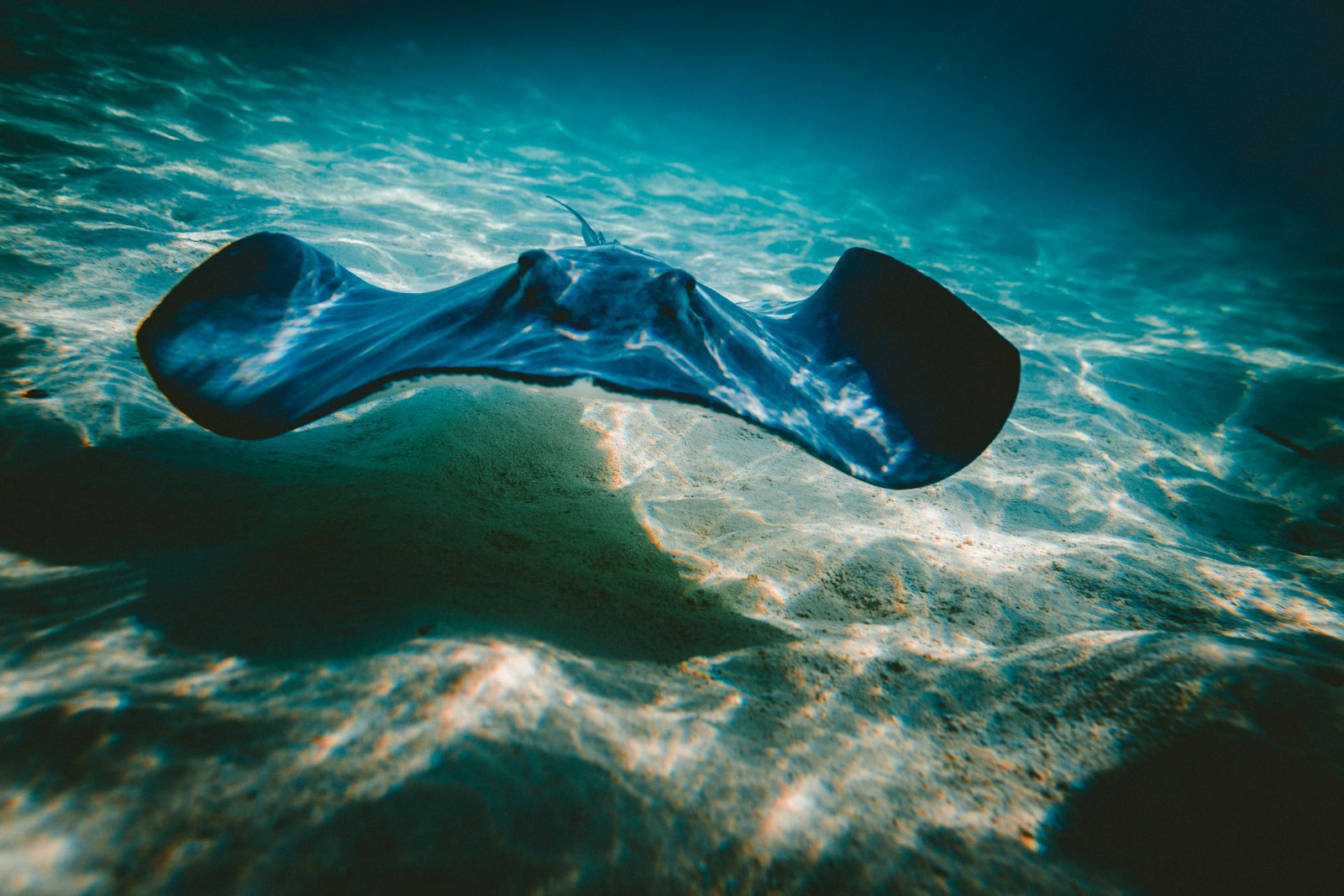
- Manta Sandy: the cleaning station near Arborek is a shallow, controlled dive where you kneel on rubble behind a rope line. Open Water is fine.
Sites where Advanced and current skills matter
Then there are the dives people come back talking about. Cape Kri, where a world record of fish species was counted on a single dive. Sardine Reef and Blue Magic in the Dampier Strait, where reef sharks, giant trevally and oceanic mantas pass through blue water. The channels in the north where you drift along walls at speed.
These sites usually involve:
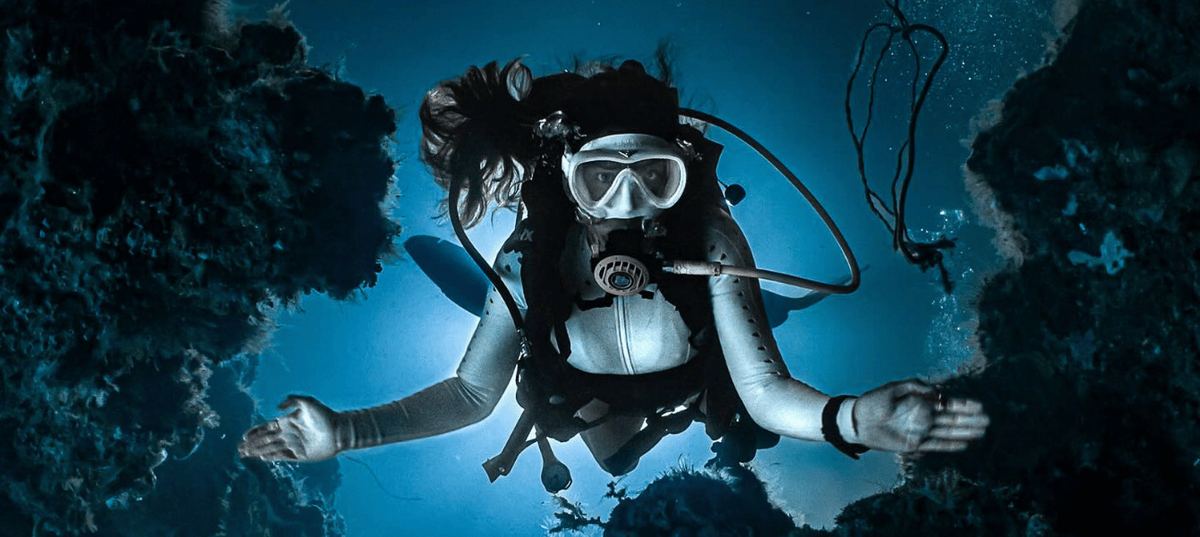
- Negative entries: rolling in with an empty BCD and descending straight away, so the current does not carry you off the reef.
- Depths of 20 to 30 m on pinnacles, which needs an Advanced card.
- Reef hooks to hold position on a ridge while the action happens in front of you.
- Surface marker buoys. Every diver carries one in Raja Ampat, regardless of level.
On these dives, a newer diver either stays on the boat for that one dive, or joins a shallower option planned by the guide. Nobody gets pushed in over their head.
How to prepare before the trip
If you have the time, the best preparation is simple:
- Do your Advanced Open Water before you go, or on board. The deep and drift adventure dives are exactly the skills you will use.
- Log a few warm-up dives in the months before. Even two weekends at a local site make a big difference to your buoyancy.
- Practise deploying an SMB from depth. It is the one skill people say they wished they had rehearsed.
- Consider a Nitrox course. Longer no-decompression times help on multi-dive days.
- Get dive insurance. Remote diving needs cover for evacuation.
If it has been more than a year since your last dive, tell us. We schedule a check dive at the start of the trip so you can shake off the rust somewhere calm.
What it looks like on our liveaboard
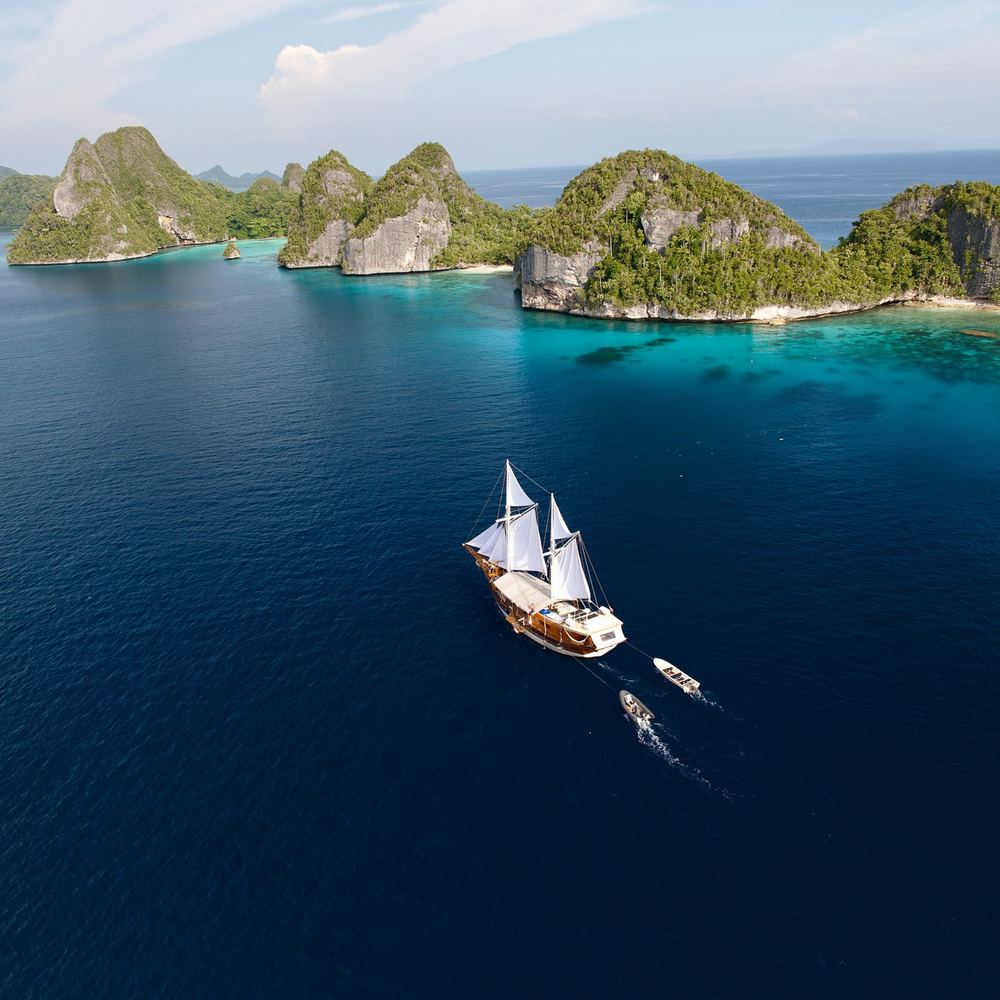
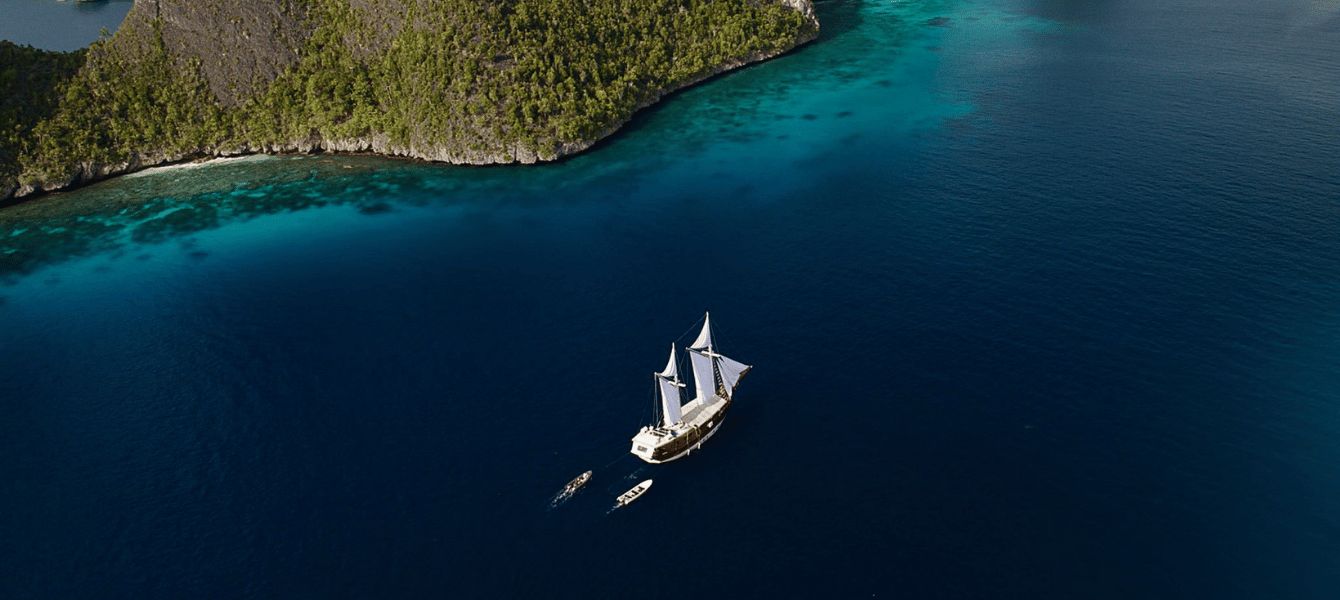
On a pinisi with a small group, the guides get to know everyone quickly. Experienced divers get the current runs, newer divers get the reef gardens and manta stations, and the plan shifts with the conditions each day. For a feel of the season, see our guide to Raja Ampat in November.
Dive Raja Ampat with us
Our Sail & Dive Raja Ampat expedition runs 20 to 29 November 2027 from Sorong, with 33+ dives, dive gear included and Open Water courses available on board. Whatever your Raja Ampat diving experience, we match the sites to you. The last spots are going, and applying is free.