
WhatsApp
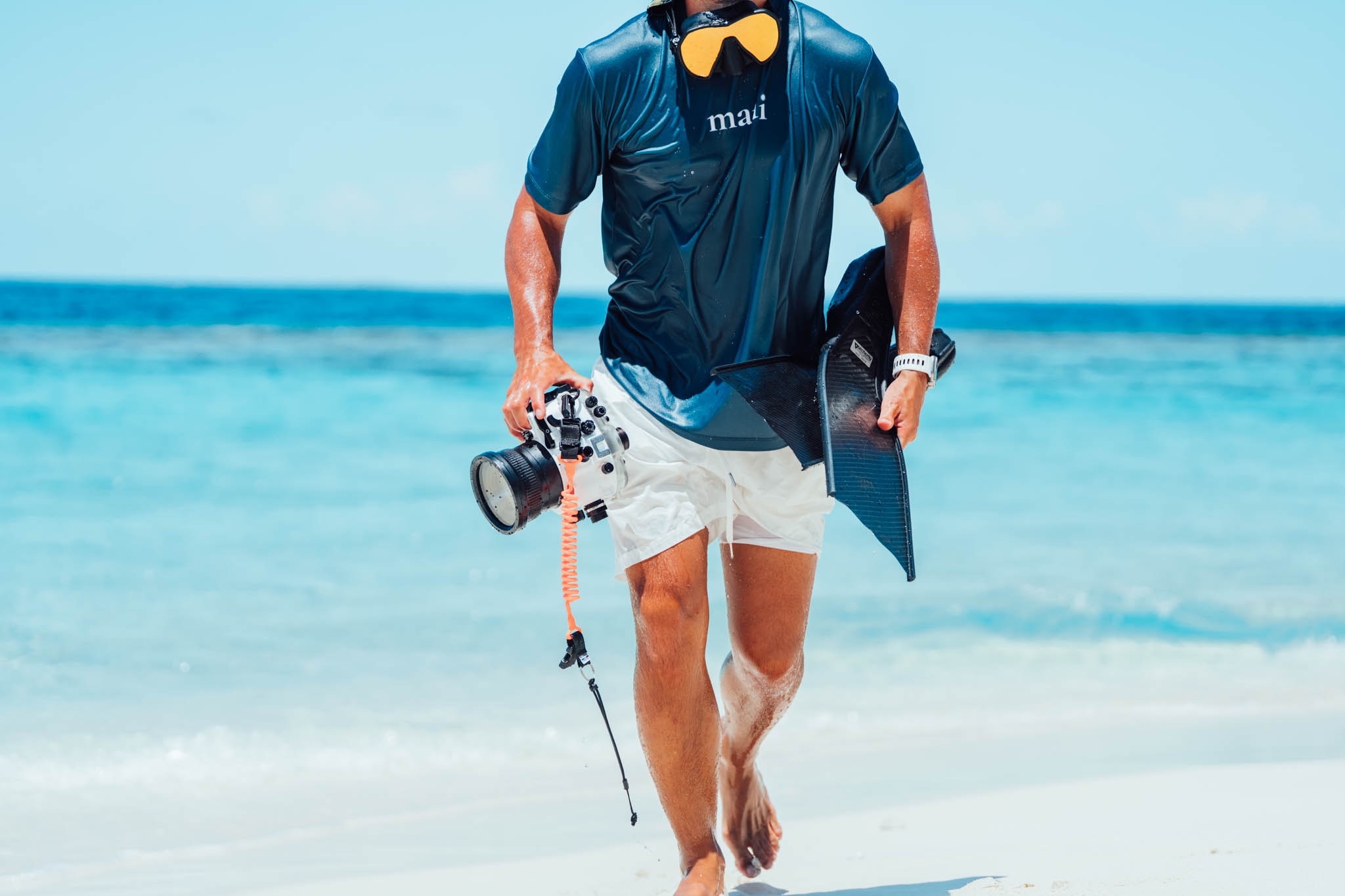
The SeaFrogs housing takes a real camera into the water, from the Maldives to the Arctic. Here is why it is the one we use.
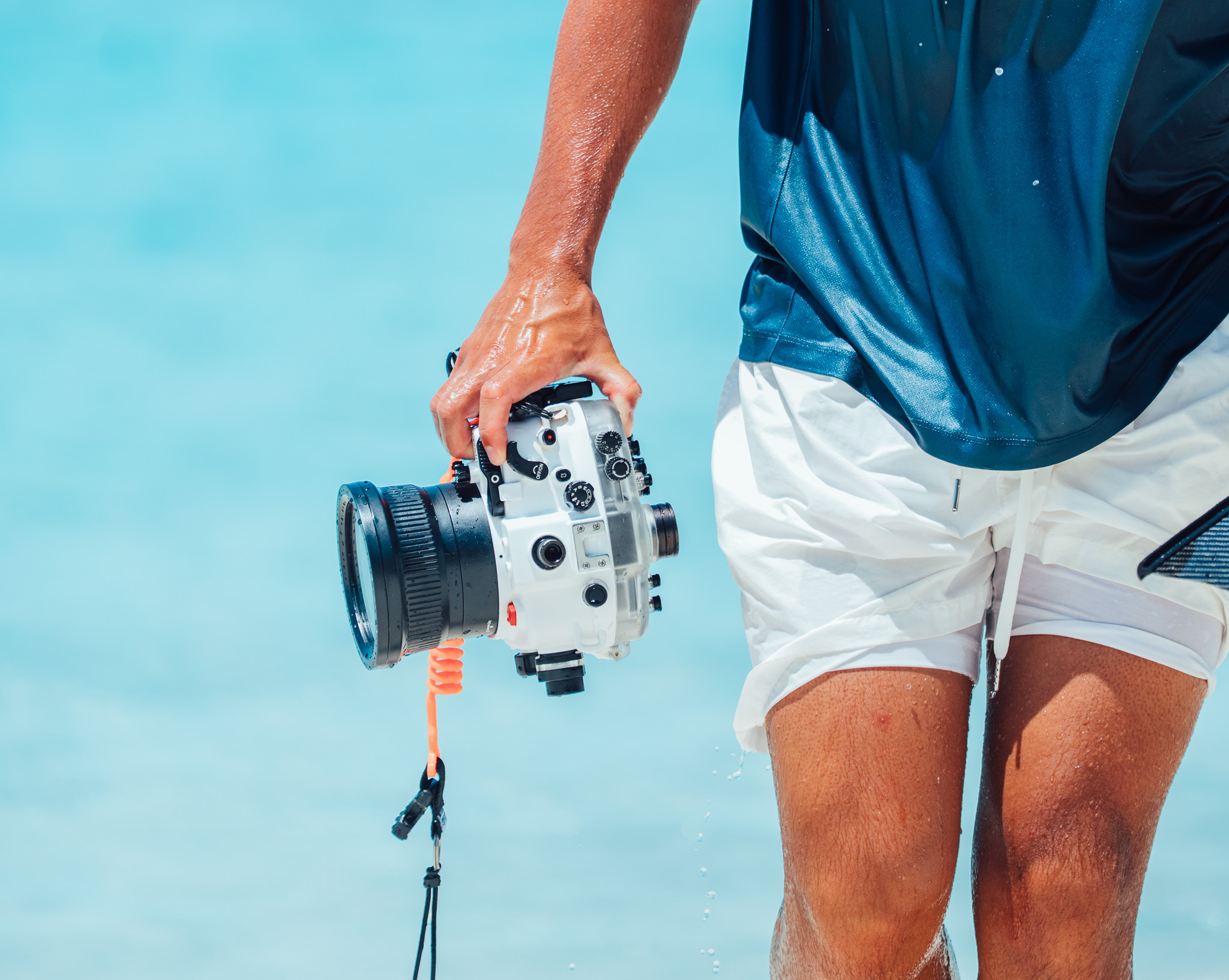
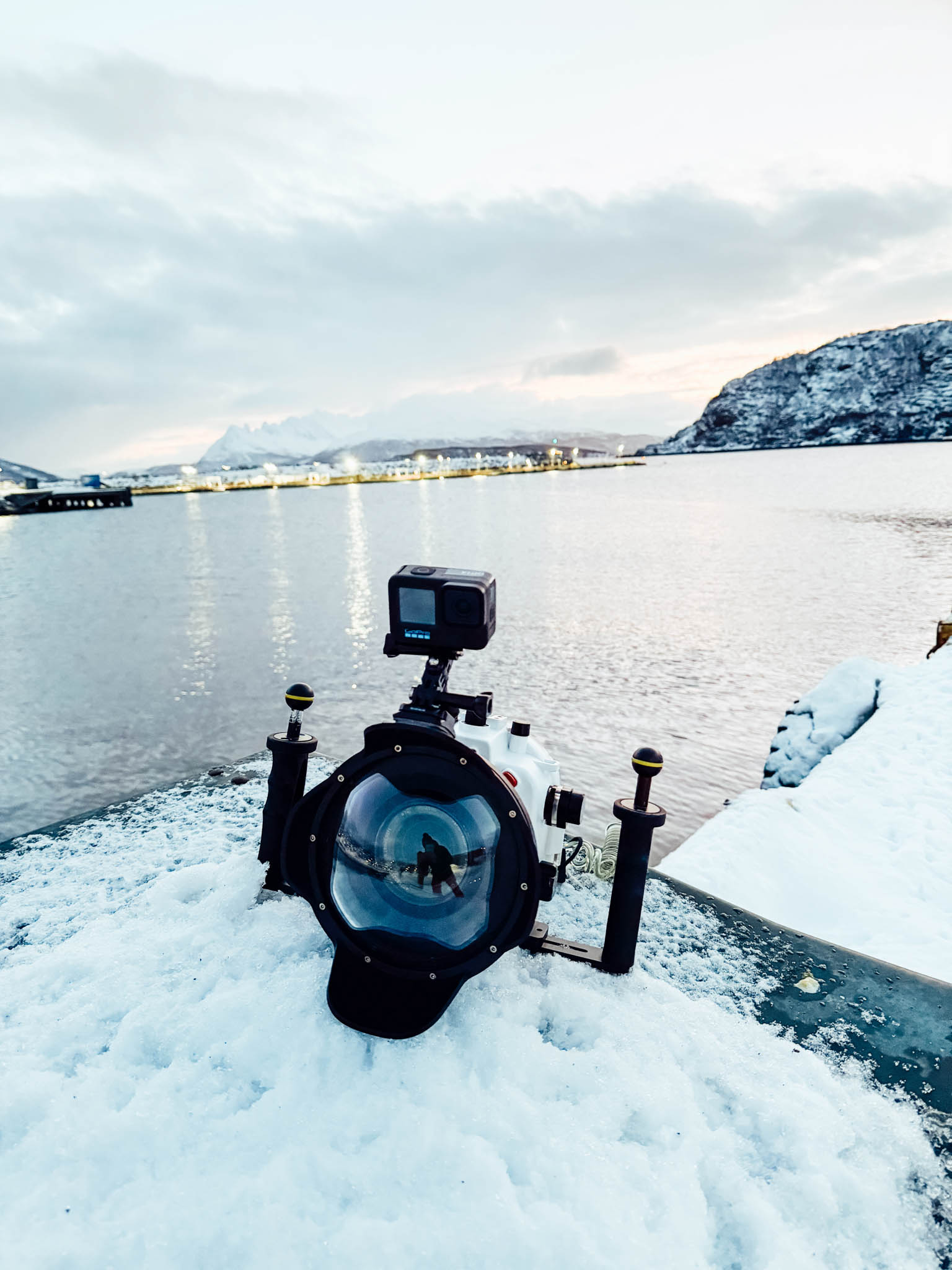
The housing we use to take a real camera into the water. A clear body so you can see everything inside, a big dome port for wide shots of big animals, and it has kept our camera dry from Maldives sun to Arctic snow.
We bring DiveVolk phone housings on all Maui expeditions and run a workshop on how to use them, so you can try one in the water before you buy anything.
Why we recommend it
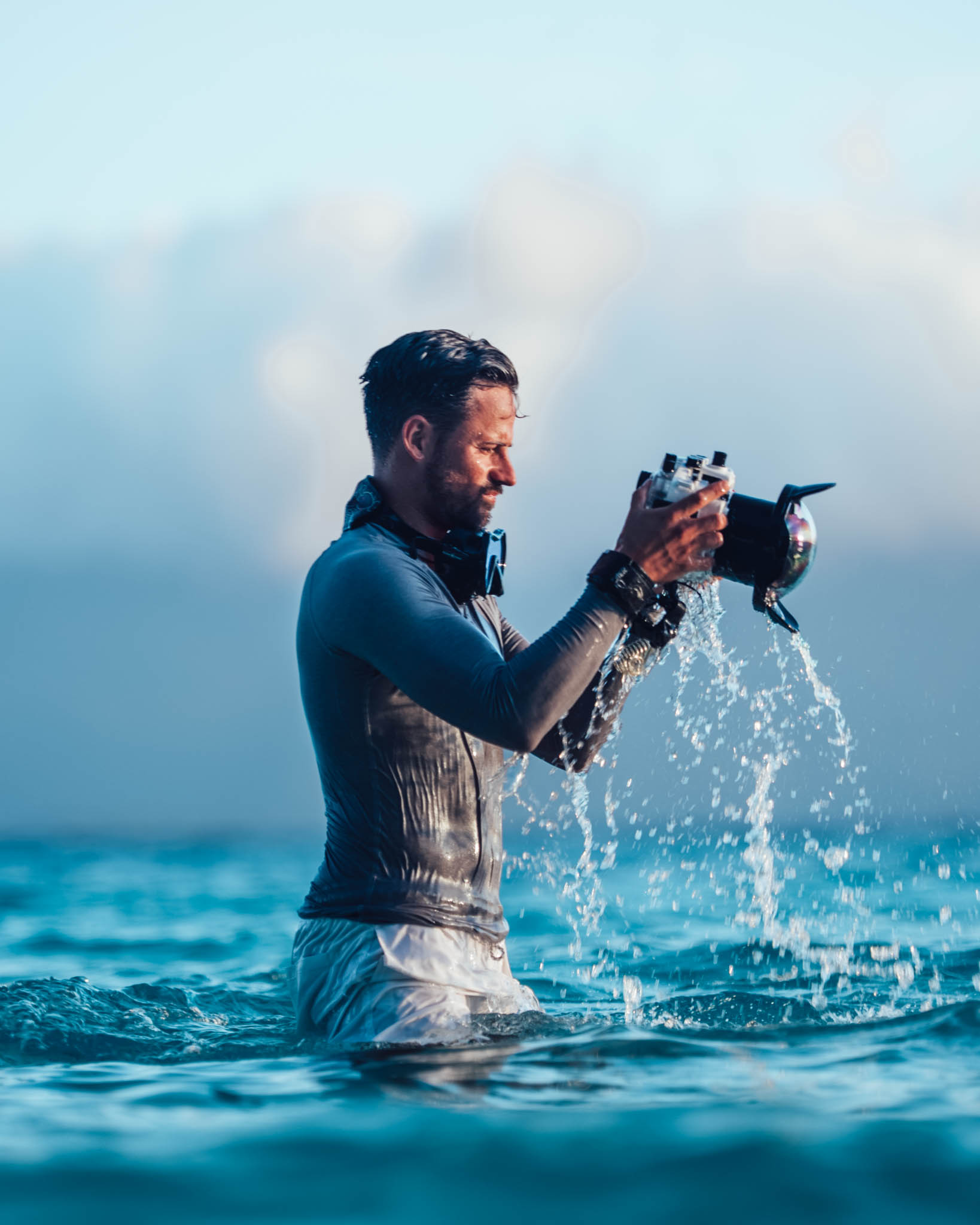
When a manta glides past or a humpback calf comes up to have a look, you want a camera that keeps up. A housing lets you take the camera you already know into the water, with the same sensor, lens and settings you trust on land.
We like SeaFrogs because the clear body shows you everything inside at a glance, the ports swap between a wide dome and a flat port, and it costs a lot less than most aluminium housings. Ours has been with us from the Maldives to the Arctic.
Pros and cons
Our honest list after a lot of swims with it.
In the field
Why it is worth it
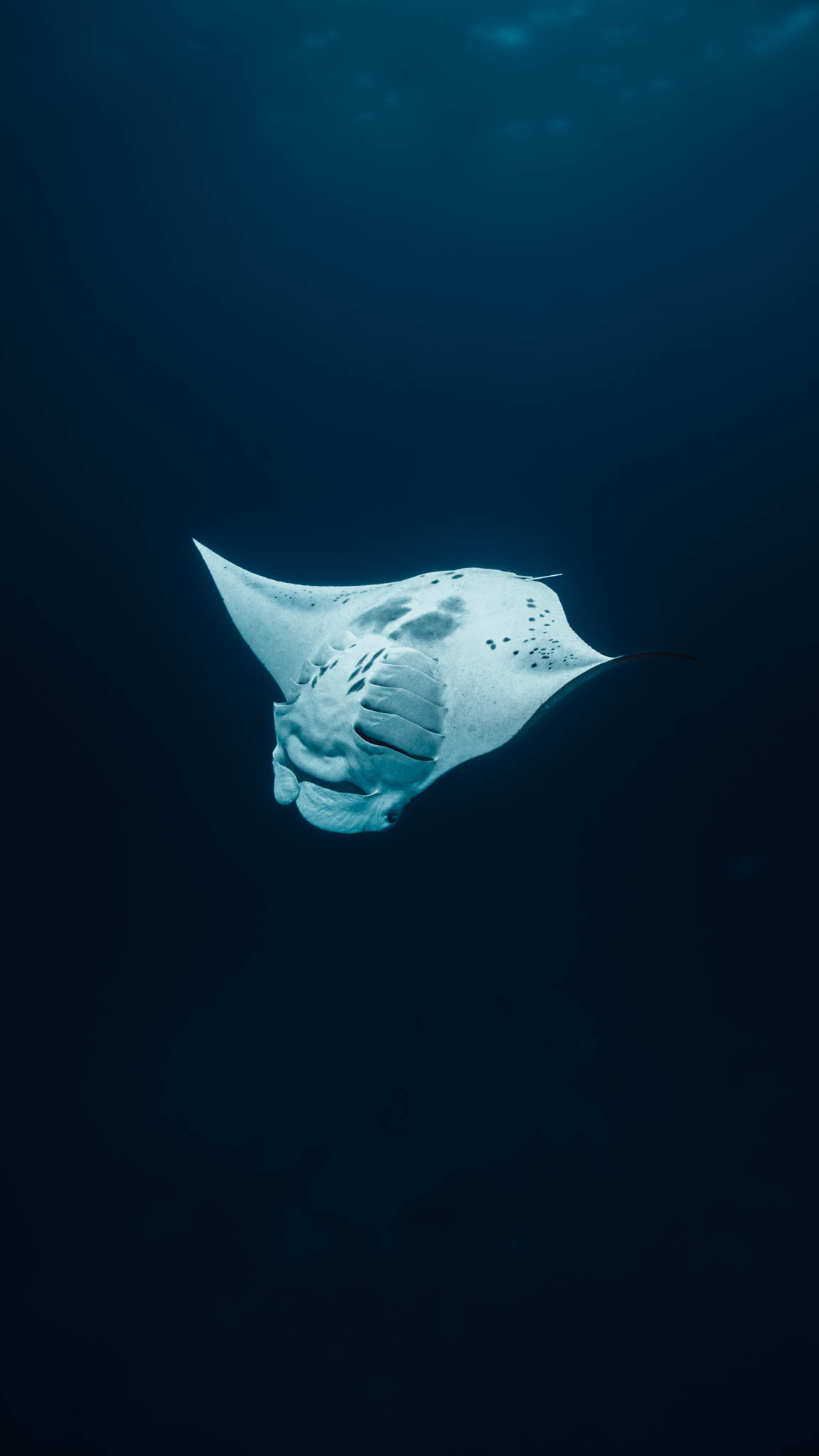
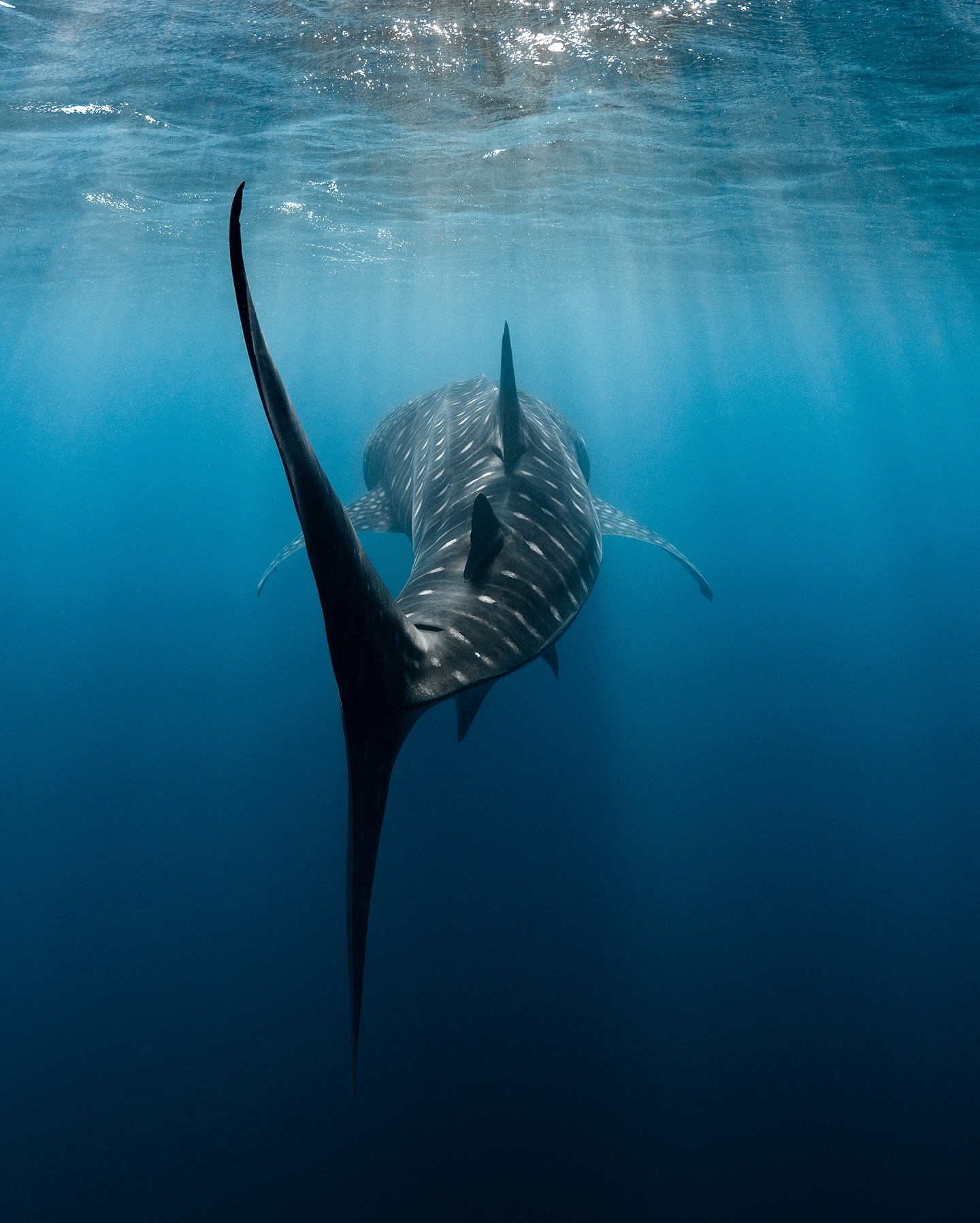
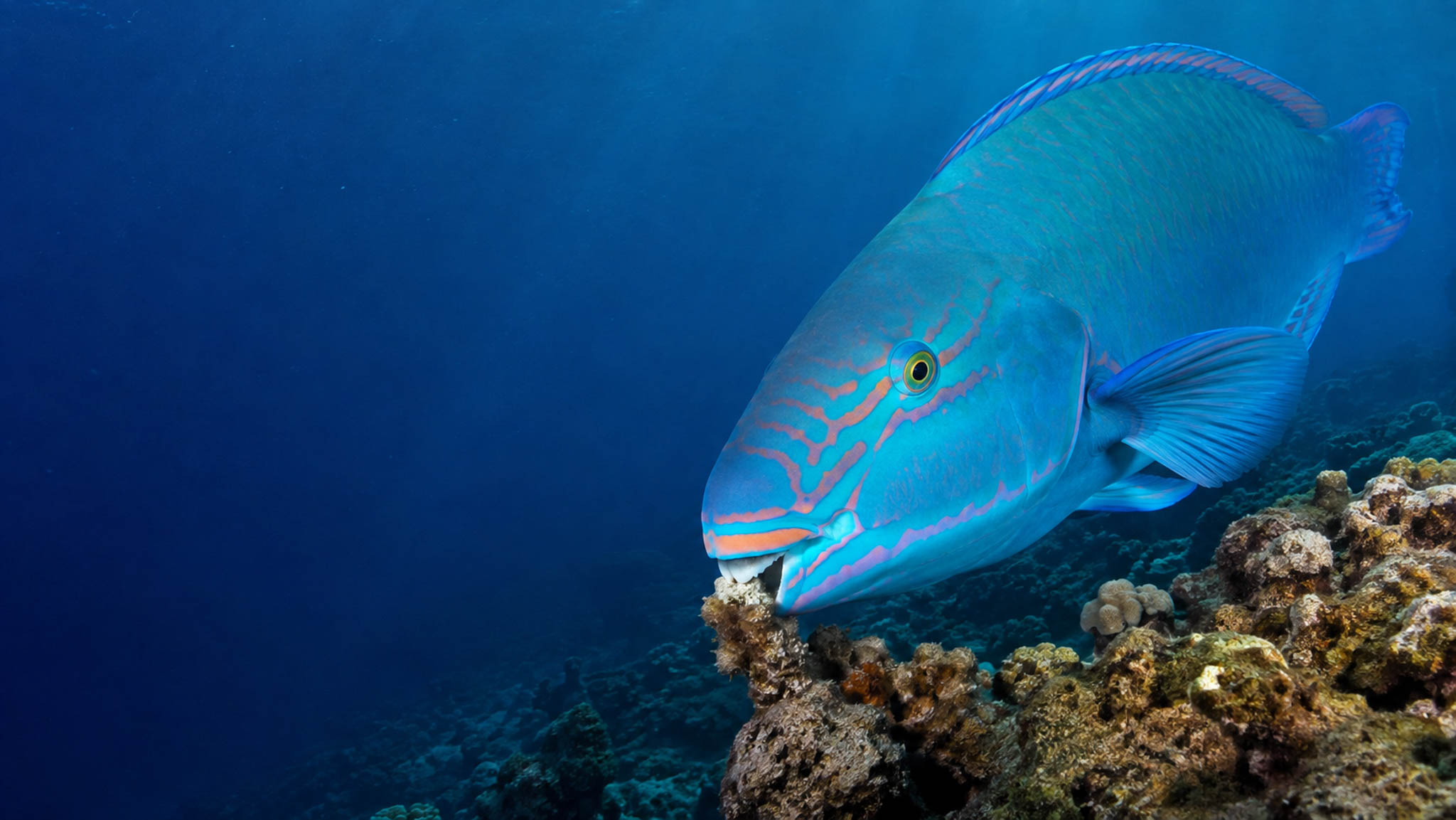
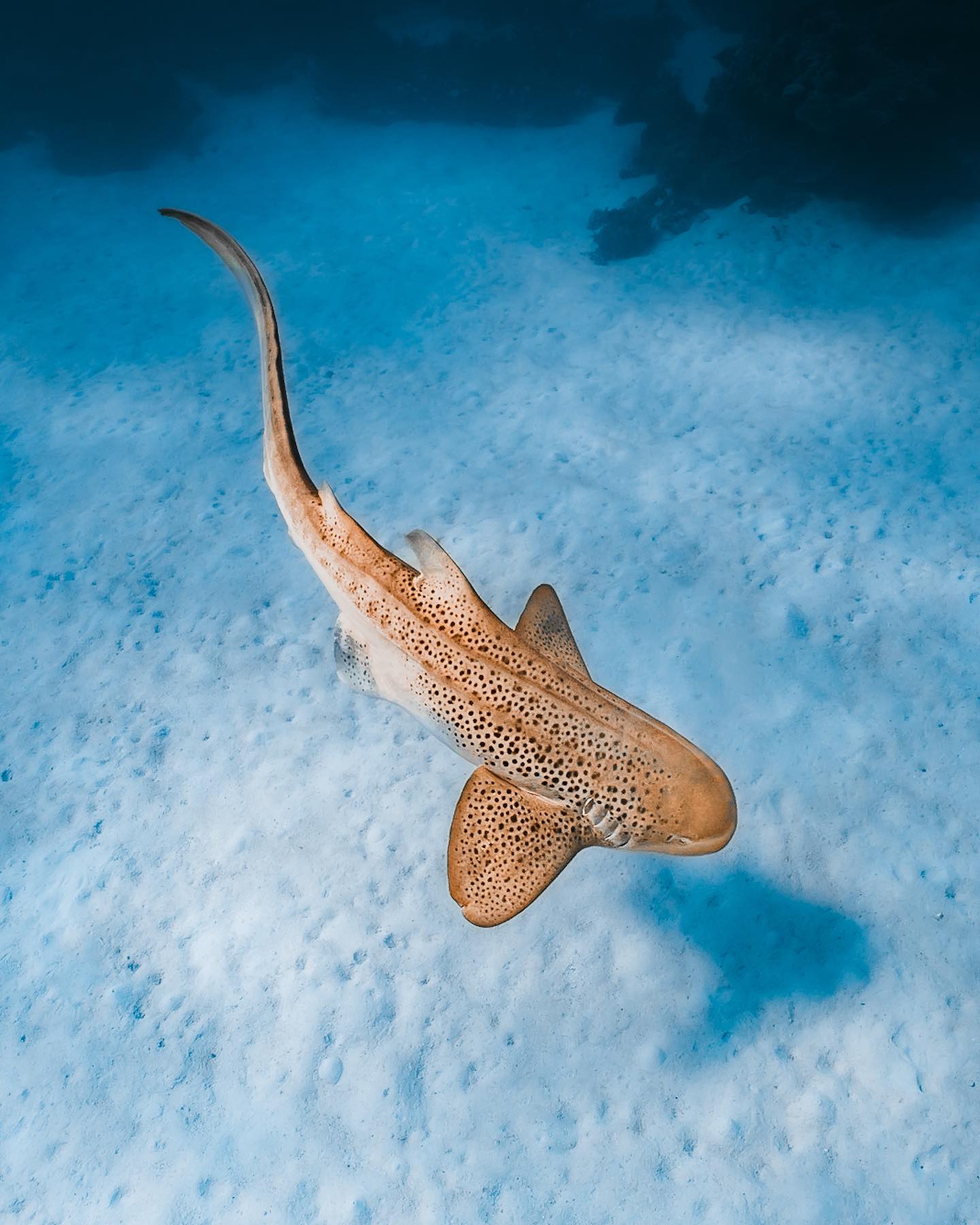
Photos from our expeditions.

Questions
No. Most guests shoot with their phone. We bring DiveVolk phone housings and show you how to use them. A camera housing is for when you want to shoot with your own camera.
The one made for your exact camera body. SeaFrogs lists which cameras and lenses each housing fits, so check that list first.
A dome for wide shots of big animals and for half-in, half-out shots. A flat port for close-ups of smaller things. For whales and mantas, take the dome.
Clean the o-ring, check for hair and sand, and close it carefully. Then dunk the empty housing in water before your camera goes in.
Yes. Keep it in your hand luggage with the dome cover on, so it does not get scratched.
From SeaFrogs directly, or from a dive or camera shop that stocks them.
Pick your expedition and swim alongside humpbacks, mantas and whale sharks.