WhatsApp

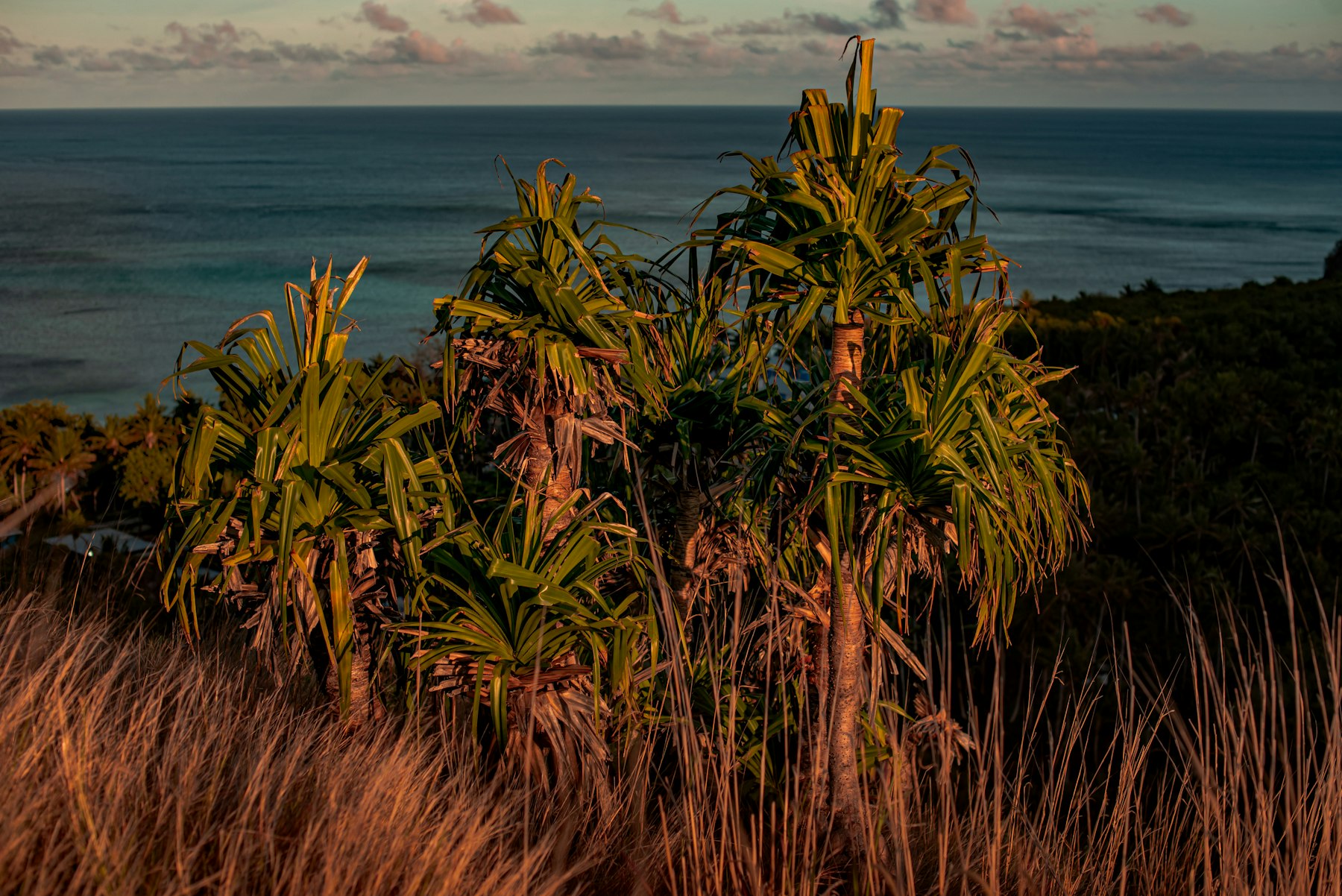
The Yasawa Islands are a chain of volcanic islands northwest of Nadi, reached by a few hours on a catamaran and still far quieter than the Mamanuca group closer to the mainland. A week is enough to see the best of them, if you plan it well. Here is a practical 7-day Yasawa Islands itinerary built for people who care more about reef, mantas and sharks than about a poolside lounger.
The simplest way to see the Yasawas in seven days is to base yourself on three islands for two nights each, with a day at either end for travel. That keeps you from living out of your bag, and it gives every island a full day on the water. You move north on the Yasawa Flyer, the passenger catamaran that runs from Port Denarau, and you spend each stop snorkelling, diving or walking.
Arrive in Nadi, transfer to Port Denarau and take the catamaran north. The ride takes several hours, so bring a book, a hat and a layer for the air conditioning. By late afternoon you step off onto a beach, settle into your bure and have your first swim. Do nothing else. The point of day one is to arrive.
Use these two days for the famous scenery. The Blue Lagoon area has clear water and easy snorkelling over healthy reef. A short boat trip takes you to Sawa-i-Lau, a limestone cave system where you swim through an entrance into a chamber lit from above. Go early, before the day-trip boats arrive, and take a waterproof bag for your phone.
On one afternoon, add a village visit. You will be welcomed into a Fijian village, offered kava and shown how daily life works. Bring a respectful dress code (shoulders and knees covered) and a bundle of kava root as a gift if your guide suggests it.
Move on to the second island. The channels here funnel plankton and reef mantas, and the season runs roughly from May to October. Snorkellers and divers can both see them, usually at a cleaning station where the rays hover and circle. Stay calm, stay low and keep your distance. If you want to learn how to behave around them, read our beginner guide to snorkelling with manta rays.
The last island is the one for sharks. Near Kuata, certified divers can go down for a controlled bull shark dive with experienced guides. Non-divers can try an introductory dive or watch from a safe position. It is calm, well organised and a very different experience from anything you will do in the lagoon. The week ends with a farewell lovo, a feast cooked in an earth oven, then a morning ride back south to Nadi.
For more on timing, see our post on the best time to visit Fiji for wildlife.
If you would rather have this week planned, our Yasawa Paradise expedition follows exactly this shape: three islands, two nights each, the Blue Lagoon, Sawa-i-Lau caves, a village visit and kava ceremony, the manta channel and a bull shark dive with a farewell lovo. It runs 25 September to 1 October 2027 with a maximum of eight guests, and it can be combined with our Tonga whale trip. Applying is free.