
WhatsApp

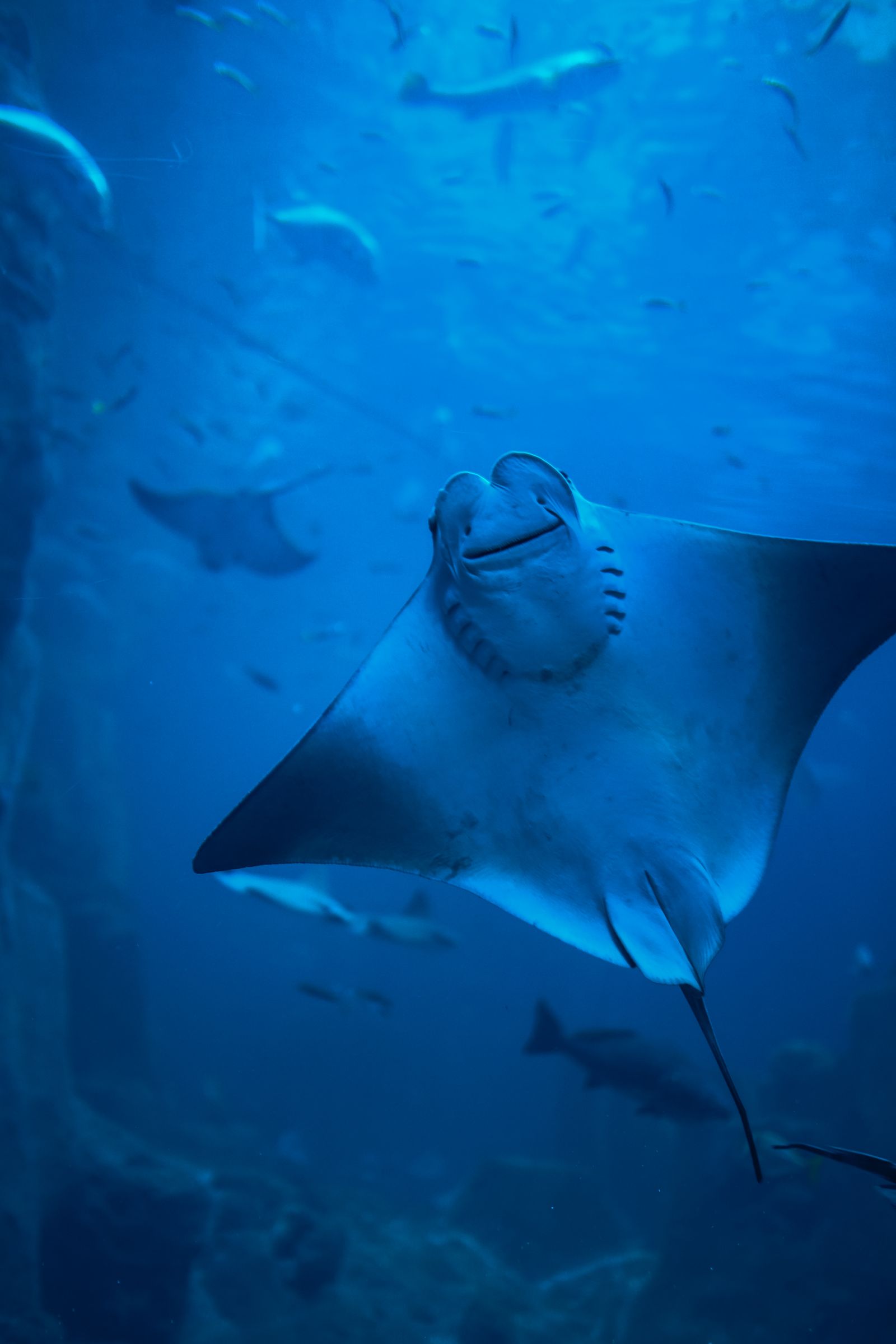
Ask anyone who has snorkeled the Yasawas what they remember most and the answer is usually the same: the morning the manta rays showed up. Fiji is not the first country people associate with mantas, which is exactly why the encounters here feel like a secret. But they run on a schedule, and if you get the manta ray season in Fiji wrong, you will be swimming in a beautiful, empty channel. Here is when to go, where to go, and how the whole thing works.
The reliable window is May through October, Fiji's dry season. Through these months the trade winds push nutrient-rich water through the northern Yasawa islands, and plankton concentrates in a handful of narrow channels on the moving tide. Reef mantas, with wingspans of three to four meters, turn up to feed almost daily. June to September is the heart of it. Outside the season you might still get a lucky sighting, but you would be planning a trip around an exception.
The dry season also happens to be Fiji at its best for everything else: 25 to 27 degree water, visibility that stretches past 20 meters, and day after day of settled boat weather.
The most famous manta site in Fiji is the narrow passage between Drawaqa and Naviti islands, about halfway up the Yasawa chain. When the tide pushes through, the channel becomes a plankton conveyor belt, and the mantas station themselves in the flow with their cephalic fins unrolled, mouths wide, barrel-rolling through the thickest patches. The channel is shallow, mostly 5 to 10 meters, which is why this is a snorkel encounter rather than a dive. You float on the surface, the current carries you along, and the mantas work below and sometimes right beside you.
Mornings start with spotters. Local boats run the channel looking for wingtips and shadows, and when mantas are in, the call goes out. You enter from the boat at the up-current end of the passage, drift with the flow, and get picked up at the far side. A good drift lasts 15 to 25 minutes and you can run it several times. No chasing, no diving down onto animals, no touching. Mantas are curious, and a swimmer who holds still gets far closer passes than one who splashes after them.
Fitness-wise, if you can snorkel comfortably in a light current, you are fine. Fins matter more than experience. And a rash guard or thin wetsuit is enough; this is not Norway.
The mantas feed on the moving tide, so encounters cluster around specific hours that shift every day, which is why you cannot do this properly as a day trip from Nadi. The animals also do not clock in every single morning. Plan a minimum of three days in the central Yasawas during manta ray season, and you move the odds from hopeful to near-certain. Around the new and full moon, stronger tidal flow tends to mean more plankton and busier channels.
The Yasawas are not a one-animal show. The same season brings bull shark dives at Kuata for those who want their heart rate up, turtles and eagle rays in the channels, and reef systems that have quietly recovered into some of the healthiest snorkeling in the South Pacific. Evenings are kava with the village, not cocktail lists. It is barefoot travel in the best sense.
You can piece a Yasawa manta trip together yourself with island hops on the Yasawa Flyer and a couple of resort bookings, and plenty of backpackers do. The trade-off is that you are guessing at tides, seasons and which islands put you in range of the channel. Going with people who run the route every year means your days are already built around the tide tables and the spotters' network.
That is exactly how we run our Yasawa Paradise expedition: a week of island-hopping through the manta channels, bull sharks for the brave, and villages that still wave at every boat. It starts the day after our Tonga whale week ends, so you can do both on one long-haul flight.