
WhatsApp

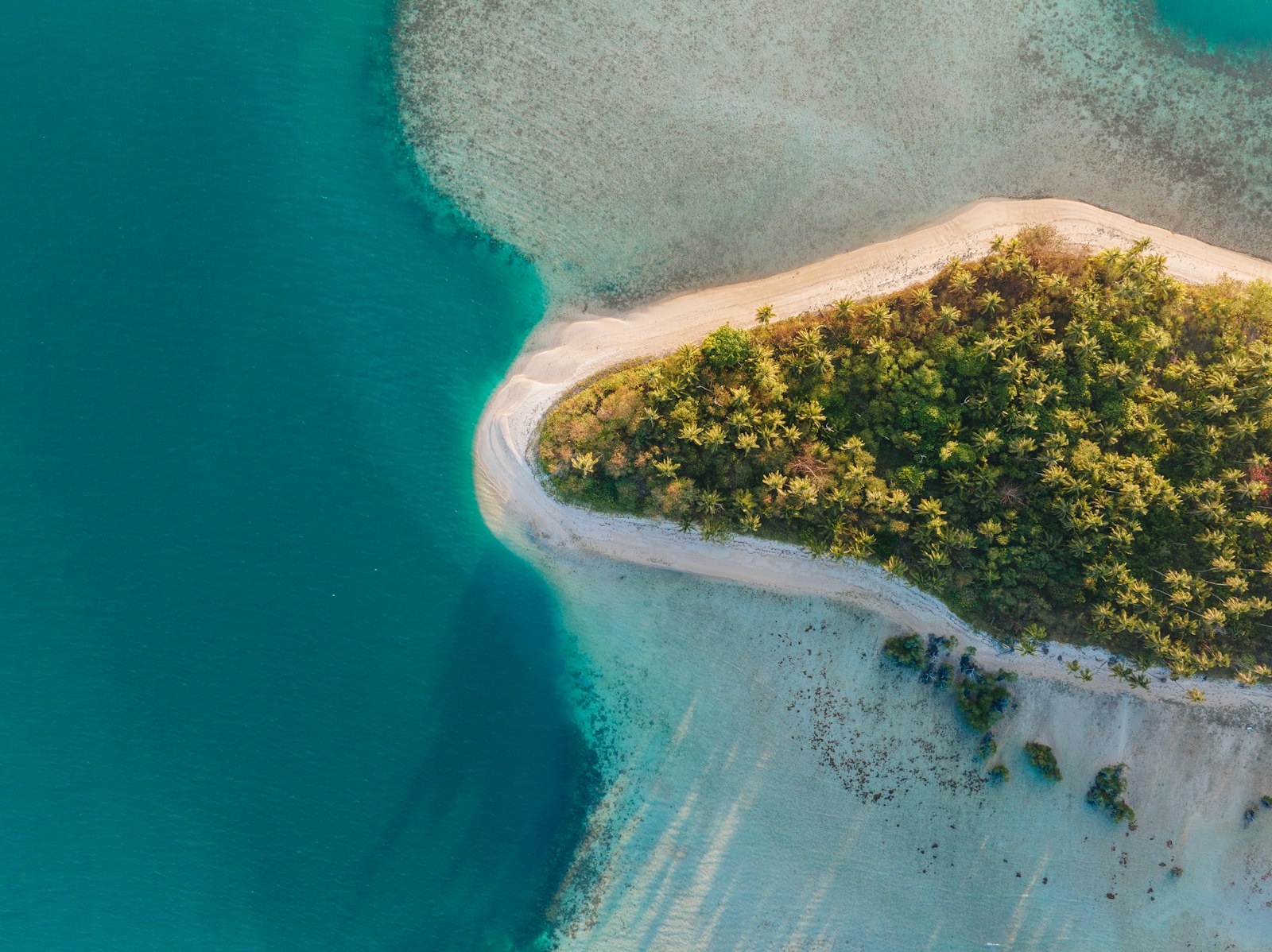
The Yasawa Islands are a chain of about twenty small volcanic islands running north-west from the main Fijian island of Viti Levu. They are what most people picture when they picture Fiji: barefoot beaches, cliffs, palm trees, blue water, small villages of a few hundred people, and a horizon that is almost always empty.
They are also, for wildlife travellers, one of the most underrated destinations in the South Pacific. Here is what to actually do there, and how to plan it.
The Yasawas are not a resort strip. There is no international airport on the chain. There is no highway. Most islands have one small resort or backpacker lodge, sometimes two, and a village. Some have neither.
That has kept them quiet. Even in Fiji's peak season, the Yasawas feel unhurried. Boat traffic is small. Beaches are private-by-default. Wi-Fi is spotty by design.
If you are looking for luxury spa treatments and rooftop bars, the Mamanucas or Denarau are a better fit. If you are looking for real reef, real culture and a real sense of remoteness, the Yasawas are the right chain.
The standard route:
1. Fly into Nadi International Airport on Viti Levu.
2. Transfer to Port Denarau, a 15-minute taxi from the airport.
3. Board the Yasawa Flyer, a daily high-speed ferry that runs the chain from south to north and back.
The Flyer takes 2 to 5 hours to reach different islands. Barefoot Kuata and Kuata Island are the first stops; Yasawa Island Resort at the far north is the last. You buy a ticket to your resort's stop, and the resort collects you from the ferry in a smaller boat.
There is also a seaplane option from Nadi for anyone with less time or more budget. It gets you to your resort in around 25 minutes but is significantly more expensive.
Once you are on your island, you stay there unless a resort excursion moves you. Island-hopping is done through resort tour boats or, for backpackers, the Flyer's "Bula Pass" that lets you island-hop over multiple days.
Manta rays in the Drawaqa channel.
Between May and October, reef mantas gather in a shallow channel between Drawaqa Island and Naviti Island to feed on plankton pushed by the tide. Small boats launch from Barefoot Kuata and Mantaray Island Resort when spotters see the animals move in. Peak months are June to August.
This is a snorkel encounter. Certified diving is not needed. Confident swimmers with a mask can do it. Water is a few metres deep, and mantas often swim close to the surface.
Reef sharks at Moyia Reef and nearby sites.
Blacktip and whitetip reef sharks are common on Yasawa reefs. Moyia Reef, off Barefoot Kuata, is one of the most reliable snorkel-with-sharks spots in Fiji. Sharks patrol just below the reef edge in six to ten metres of water, and they are used to swimmers, so encounters are calm and close.
Sea turtles.
Green turtles and hawksbill turtles feed along the fringing reefs. You do not need to plan for them; they will show up.
Bird life.
The chain sits on a Pacific migration route. In dry season, you get frigate birds, fairy terns, and reef herons on almost every walk.
Sawa-i-Lau caves.
A pair of limestone chambers on Sawa-i-Lau Island, the northern Yasawas. The first chamber is above water and has a natural skylight. The second is reached by swimming through an underwater tunnel that opens into a hidden cave. Not for people who dislike enclosed swims, but memorable for anyone who does not mind it.
A kava ceremony in a Fijian village.
Kava is a mild traditional drink made from the root of the yaqona plant. In villages, ceremonies are how visitors are formally welcomed. It is a slower, quieter, more sincere version of what tourism usually offers.
If your resort arranges a village visit, join it. Bring sulu (sarong) to cover your legs and a modest top. Do not wear a hat inside a village.
Fire dancing.
A staged evening performance rather than a religious event, but the dancers are locals and the skill is real. Worth an evening.
Blue Lagoon.
The stretch of water between Nanuya Lailai and Turtle Island. Postcard-clear, calm, and often almost empty. Great snorkeling on the fringing reefs. Blue Lagoon Beach Resort sits on it.
Nacula Island.
Long empty beaches, gentle water, and small budget-friendly lodges. Good for a slower few days if you want to break up the ferry legs.
Yasawa Island Resort's beaches at the far north.
Quiet, high-end, worth the extra travel time if the budget allows.
Bring your own mask if you can. Resort rental masks vary in quality.
Long fins help against the tidal currents in the manta channel.
Wear a rash guard even on cool mornings. The sun reflects off the water and burns fast.
Do not stand on coral. Do not touch anything with your hands. Reef fines are levied by some villages, and coral takes decades to recover.
The Yasawas span budgets.
Resorts almost always include meals in the rate. There is nowhere else to eat.
Or, if you want the whole trip planned for you and a group already assembled, see the Yasawa Paradise expedition. It is our Fiji expedition and we run it during manta season.
The Maui Fiji expedition is a small-group Yasawa week timed to the manta channel season and built around the wildlife you cannot easily book solo. We keep the group small, sleep in beach bures, and mix diving, snorkeling, culture and a Sawa-i-Lau swim into a week that feels remote without being uncomfortable. If that sounds like your idea of a Fiji trip, Kenny is on WhatsApp and answers within 24 hours.