
WhatsApp

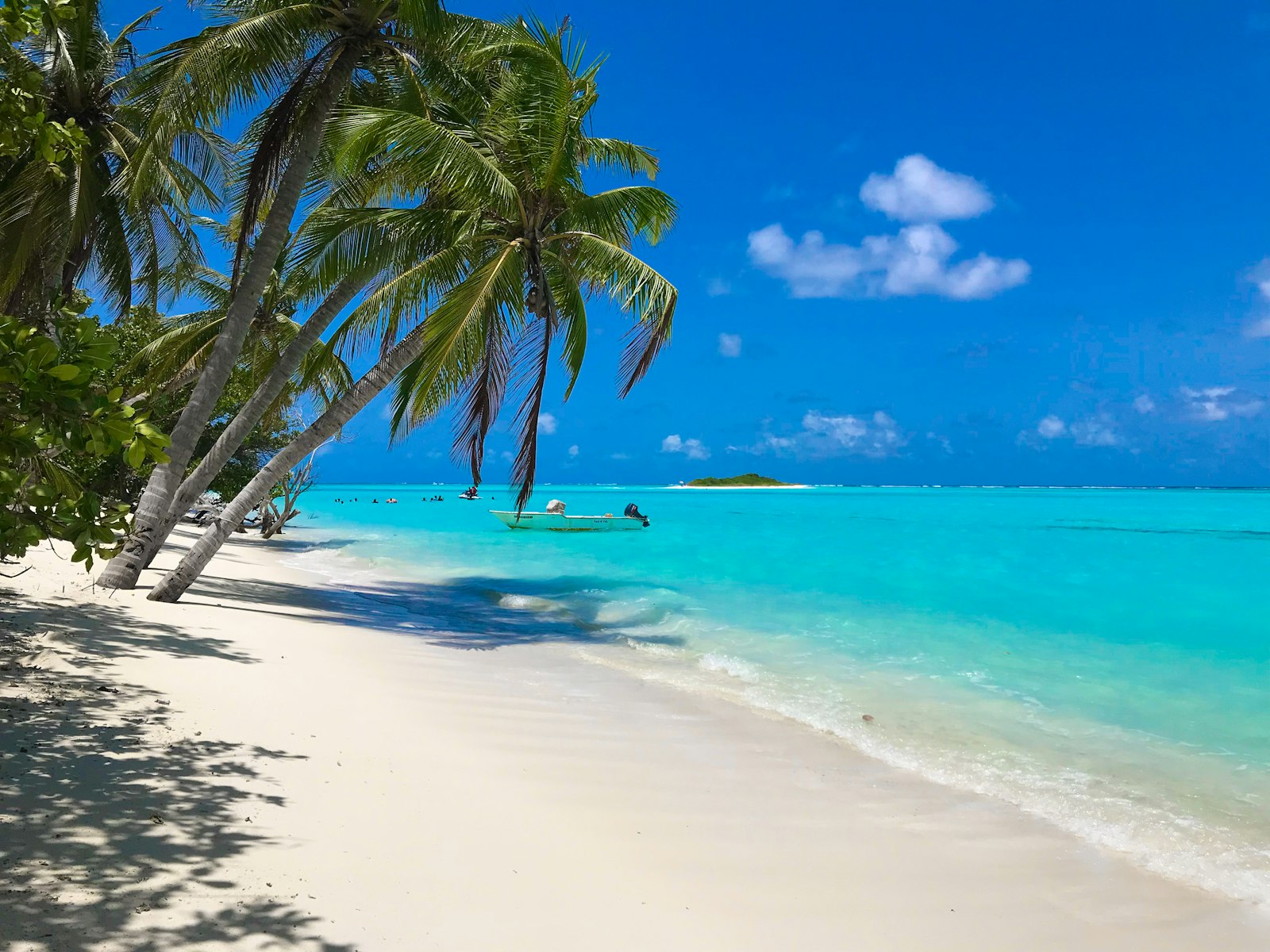
Fiji is one of the great diving countries. Soft coral density that photographers travel across the world for, reef shark encounters that beginners can join, and a manta ray season that is more accessible than most travellers realise.
Timing the trip matters. Not because Fiji has bad months, but because the animals and the visibility change with the season.
Fiji has two clean seasons.
The dry season is the one most tourists come for. But wildlife travellers should look at both.
The star wildlife event in the Yasawa Islands is the manta ray channel gathering off Drawaqa Island. Between May and October, reef mantas gather in a shallow channel to feed on plankton pushed through by the tide.
The way local guides find them is charming: they climb up a viewpoint at high tide, spot the dark shapes moving into the channel, and beat drums to signal boats to launch. You get in the water in a couple of metres of clear ocean, and mantas pass metres from you.
That single experience is why a lot of small-group wildlife trips build their whole Fiji week around a Yasawa base.
Fiji is one of the most reliable places on earth to see reef sharks up close. The Beqa Lagoon shark dive off Viti Levu draws divers who want bull sharks and, occasionally, tiger sharks. The Yasawas have gentler reef shark encounters at sites like Moyia Reef, which most snorkelers can join without a certification.
Visibility for shark diving is best from May through December. In January and February the reefs still hold sharks but the water gets greener.
If sharks are the reason you are going, book anywhere between May and October and you are safe.
Fiji's reputation for reef diving comes from the density of its soft corals. Rainbow Reef on Taveuni is the most famous stretch, though the Yasawa and Mamanuca reefs have their own soft coral pinnacles worth crossing an ocean for.
The best visibility for this kind of photography-focused diving runs July to November, when visibility can push past 30 metres and the water sits around 25°C. Wet season visibility drops to around 15 metres, which is still fine but noticeably less clear.
You do not need a thick wetsuit in Fiji, ever. Rough numbers:
Snorkelers are fine in board shorts and a long-sleeve rash guard year-round.
June to August is Fiji's high season. Sunny days, cool evenings, calm channel crossings, small crowds compared to the Caribbean or Mediterranean. Prices are highest.
September to October are, honestly, the sweet spot for wildlife. Manta season still going, whales possible off some islands, water clearing up, weather already stable, and prices dropping slightly.
November is a good gamble. It sits at the edge of the wet season but often gives you dry-season conditions with fewer people.
December to March is wet season. Warm water, warmer air, thunderstorms, and the small risk of a tropical cyclone. Photography is harder. Prices are lower.
April is transitional. Some resorts still close for maintenance. Not the month to plan a trip around.
The Maui Fiji expedition, the Yasawa paradise trip, is built around the manta channel season and centred on the Yasawa Islands. We time the week for high manta encounter probability and pair it with reef shark snorkels at Moyia Reef, a cultural day in a Yasawa village, and a swim through the Sawa-i-Lau caves. If that is the kind of week you are after, see the expedition or message Kenny.
For the manta ray channel and clear water, book June, July or August. For a slightly cheaper trip with almost the same wildlife and fewer boats, book September or October. For everything except the manta ray gathering, any dry-season month works. Wet-season trips are still enjoyable but they trade visibility for warmer water and fewer tourists.